
Introduction
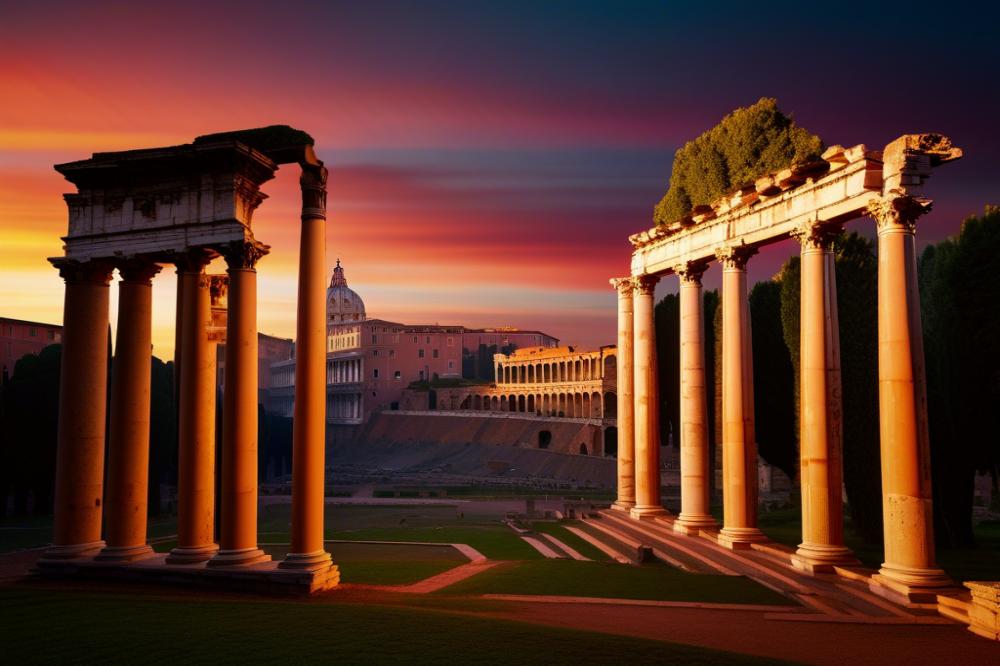
Rome is home to many of the most impressive architectural wonders in the world. Among these are the powerful and majestic Imperial Palaces, which tell us much about the might and sophistication of the Roman Empire. Nestled on the Palatine Hill, these grand structures were not only residences for emperors but also symbols of their authority.
Architecture played a critical role in Ancient Rome. It showcased the empire’s wealth, creativity, and political power. Grand buildings were a source of pride for citizens and a way to impress travelers. They demonstrated not just functional spaces, but the culture and ideals of the time. Through the lens of these monuments, one can glimpse the values and aspirations of Roman society.
Imperial residences stood as significant markers of the empire’s strength. Each palace was a testament to the architectural prowess and craftsmanship of the era. Visitors to these sites today can observe how they reflect the social hierarchy and political landscape of Ancient Rome. The grandeur of these palaces reveals the cultural significance that the ruling class placed on their public image, urging citizens to both admire and respect their leaders.
In discussing the architectural heritage of Rome, one must consider the significance of these historical monuments. The ruins and remnants speak of a time when architecture was not merely functional but also an expression of divine aspirations and human achievement. Glancing at the remains of these structures, modern individuals can appreciate the ingenuity behind Ancient Architecture and how it shaped the identity of the Roman Empire.
The Imperial Palaces: A Glimpse into Roman Authority
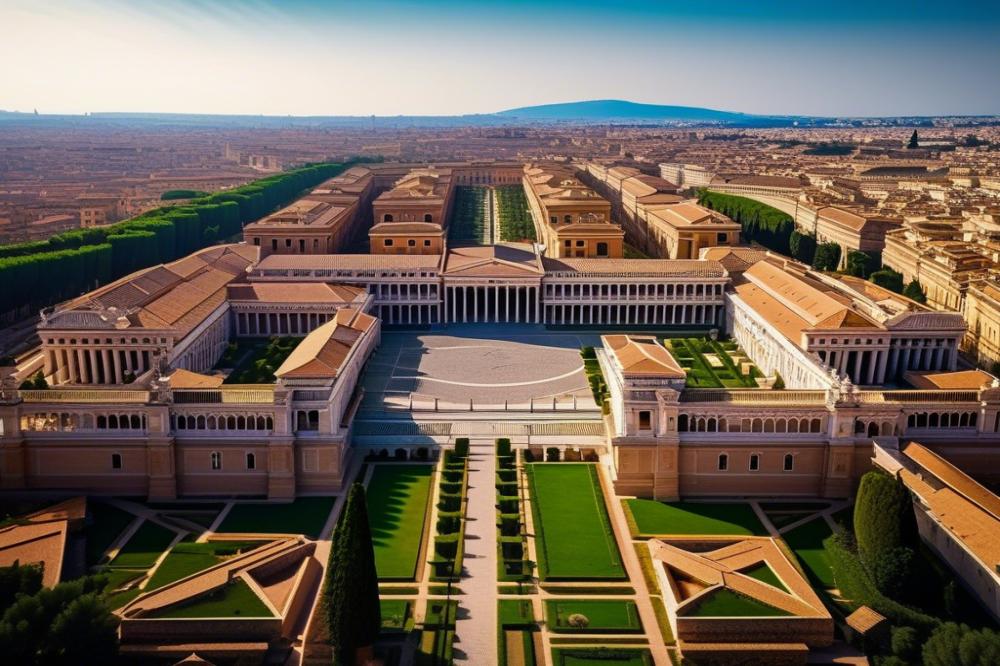
The grandeur of the palatial residences in Ancient Rome reflects the immense power of its rulers. Nestled on the Palatine Hill, these structures served as the heart of the Roman Empire. The most notable among them is the Domus Augustana, home to Emperor Augustus. This residence exemplifies the height of Roman architectural heritage with its elaborate design and vast gardens.
Another key site is the Palace of Domitian, known for its opulence and innovation. It featured a sprawling layout with luxurious living quarters and breathtaking views of the Roman Forum. Such spaces were not merely for living; they acted as stages for showcasing authority and prestige. Emperors hosted lavish banquets and important political meetings within these walls, displaying their wealth and power.
These imperial residences also symbolize Roman culture and governance. They were vibrant centers of political life and social interactions. The architecture blended aesthetics with functionality, emphasizing the might of the empire. Each palace had impressive features like grand halls, intricate mosaics, and stunning frescoes. Such elements reflect the cultural significance attached to these buildings.
Archaeology has revealed much about these historical monuments. Excavations provide insights into daily life, politics, and the artistic endeavors of Rome’s elite. From stunning statues to elaborate layouts, these remnants tell stories of a civilization obsessed with power and beauty. The connection between architecture and authority remains a focal point for historians and visitors alike.
Understanding the role of these imperial residences deepens our appreciation for Ancient Rome. These sites are not just ruins; they are testaments to an era that revolutionized governance and architecture. As we explore these remnants, we see the echoes of a time when the emperor was the embodiment of Roman culture and everything that it entailed.
Palatine Hill: The Heart of Imperial Residences
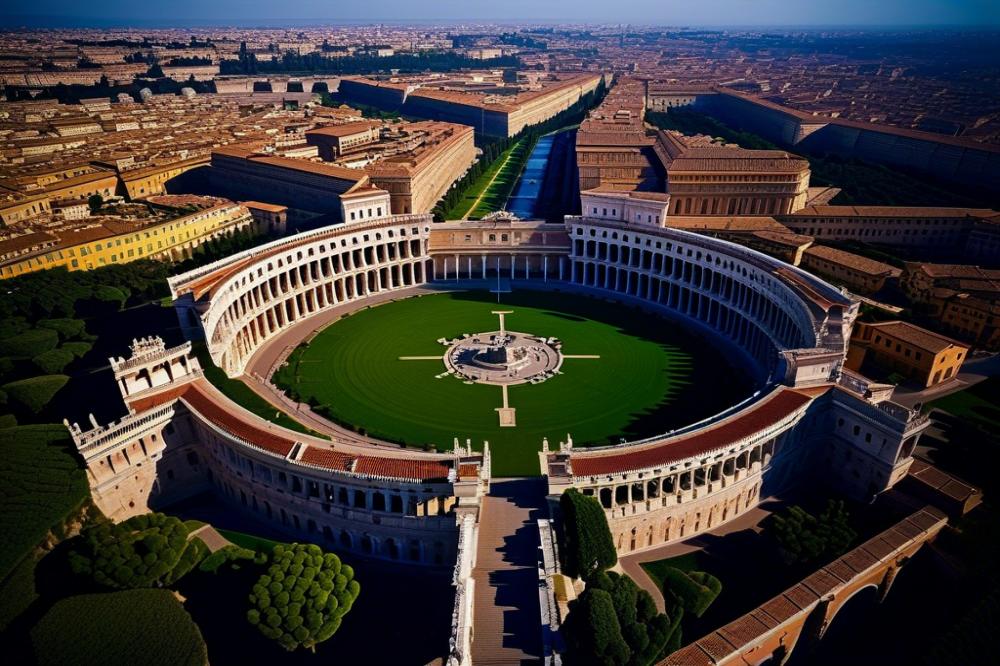
Palatine Hill stands as a cornerstone of Rome’s imperial history. For centuries, it served as the chosen site for the grand residences of emperors. This location was not merely a home; it symbolized power and authority within the Roman Empire. Walking through its ancient pathways allows us to grasp the essence of Roman culture and how it shaped the course of history.
Historical Significance of Palatine Hill
Palatine Hill holds a crucial place in ancient history. Legends claim that it is where Romulus founded the city of Rome. Its strategic position overlooks the Roman Forum and the Circus Maximus, highlighting its importance. Throughout time, it transformed into a lavish retreat for emperors. This area also became a political and social hub, influencing decisions that would affect an empire.
Major Structures Located on Palatine Hill
Several magnificent structures once graced Palatine Hill. The Domus Augustana, home to Emperor Augustus, was a lavish palace filled with exquisite artwork. Nearby, the vast ruins of the Palace of Domitian reveal the grandeur of imperial architecture. Bathhouses and gardens dotted the landscape, showcasing the luxurious lifestyle of Rome’s elite. These architectural wonders still capture the imagination of visitors today.
Ruins and Archaeological Findings
Archaeology has unveiled many secrets of Palatine Hill. Excavations have exposed remnants of frescoes, columns, and intricate mosaics. Each discovery provides a glimpse into the daily lives of ancient Romans. These ruins stand as historical monuments that tell stories of pomp and power. Scholars continue to study these artifacts, piecing together the past. This ongoing exploration adds depth to our understanding of ancient Rome’s architectural heritage.
Architectural Heritage of Imperial Palaces
The architectural heritage of the Roman Empire is rich and varied. Ancient Rome boasts some of the most striking examples of opulent design. Among the most notable structures are the imperial residences, often found on the Palatine Hill. This area represents a significant aspect of the city’s power. It served as the heart of political life and a symbol of status.
Distinct Architectural Features of Roman Palaces
Roman palaces featured grand facades and intricate details. Massive columns often lined the entrances, giving an air of authority. Large courtyards provided space for gatherings and celebrated the beauty of open air. Elaborate mosaics adorned floors and walls with vibrant colors. These elements reflect the skillful craftsmanship of the time. Each structure integrated functional spaces seamlessly with aesthetic appeal.
Influence of Different Architectural Styles
Incorporating various architectural styles contributed to the uniqueness of these buildings. Elements from Greek and Etruscan designs were common. The use of arches and vaults set Roman architecture apart from its predecessors. Influence from Hellenistic styles can be seen in the emphasis on symmetry and proportion. This blend created a visual representation of the empire’s cultural significance. Each palace testified to the evolving tastes of its inhabitants.
Comparison Between Imperial Palaces and Other Roman Structures
When comparing imperial palaces to other Roman structures, distinct differences arise. Public buildings often focused on functionality over lavishness. Forums and basilicas served practical needs, showcasing civic life. In contrast, palaces were designed for privacy and splendor. The scale of imperial residences dwarfed that of typical Roman homes. Different purposes influenced their design and layout, highlighting their importance in society. These structures were not just dwellings; they symbolized power and prestige throughout the Roman culture.
Cultural Significance of the Imperial Palaces
Role of the palaces in shaping Roman society
Life in Ancient Rome revolved around powerful leaders and their magnificent residences. The palaces on Palatine Hill represented more than just homes; they were symbols of authority and dominance. These structures served as the centers of political power. Emperors hosted grand events, displaying wealth to reinforce their status. Such gatherings fostered unity among the elite and further solidified the emperor’s control. The lives of the citizens were often influenced by what transpired within those walls. As rumors spread, public perception of the leaders would shift, affecting morale across the Roman Empire.
Impact on art and culture in Ancient Rome
Artists and architects drew inspiration from the grandeur of these Imperial Residences. The intricate designs found in mosaics and frescoes captured the imagination of many. Through art, they conveyed stories of bravery, conquest, and divine favor. Palaces were often adorned with statues and elaborate gardens, showcasing the creative expressions of the time. Artistic achievements celebrated the history and might of Rome. As a result, Roman culture flourished alongside innovation in architecture, leaving a lasting legacy that is still admired.
Preservation and representation of Imperial history
Today, these Historical Monuments serve as crucial links to the past. Archaeology has uncovered many secrets about life in the Roman Empire. Excavations reveal artifacts that tell stories of daily life, trade, and governance. Each finding contributes to our understanding of Roman society. Preservation efforts aim to protect these sites for future generations. They not only educate visitors but also inspire a sense of wonder. Tourists from around the globe come to admire this Architectural Heritage. By visiting these sites, people connect with a rich legacy that continues to shape modern civilization.
Archaeology and the Study of Imperial Palaces
Recent archaeological discoveries and their implications
Exciting archaeological findings have surfaced in Rome over the past few years. Excavations around the Palatine Hill have revealed structures that offer new insights into Ancient Roman life. Stunning frescoes, intricate mosaics, and remnants of everyday objects have emerged from the earth. These discoveries highlight the grandeur of imperial residences while also uncovering the daily lives of ordinary Romans. The findings change how historians view the Roman Empire’s architectural heritage. They illustrate not just power but also the cultural significance of these monumental sites.
Techniques used in the excavation and study of ruins
Modern technology plays a crucial role in archaeology. Geophysical surveys, for example, use non-invasive methods to map buried structures without excavation. This technique saves time and preserves the fragile layers of history. Drones help capture aerial views, giving researchers a broader perspective on the layouts of ancient sites. Such methods allow archaeologists to analyze changes in Roman culture over time. They also make it possible to share findings with the public more effectively.
Challenges in preserving these historical monuments
Preservation of historical monuments faces many obstacles. Weathering, pollution, and even tourism can damage ancient structures. Funding issues often hinder restoration projects too. Many believe that protecting these sites is essential for future generations. Without proper care, valuable pieces of Roman culture may be lost. The balance between public access and preservation is delicate. Engaging local communities in protection efforts can foster a sense of ownership. Enhancing educational programs about the importance of these archaeological sites is vital as well.
Final Thoughts on Rome’s Imperial Palaces
Recapping the significance of the grand palatial homes, their role in Ancient Rome was pivotal. These monumental structures stood not just as residences for emperors but also as symbols of authority, power, and wealth. Each palace mirrored the grandeur of the empire and showcased the artistic and architectural achievements of their time.
The impact of these sites extends beyond their original functions. Today, they serve as a reminder of Rome’s rich history and its influence on architecture and urban planning throughout the ages. Many modern buildings draw inspiration from the styles and innovations seen in these ancient masterpieces. Elements like colonnades, expansive courtyards, and intricate mosaics can be found in various forms across the globe.
If you have the chance, exploring these historic locations is a must. They offer more than just a glimpse into the past; they provide a deeper understanding of the culture and society that shaped much of Western civilization. Wandering through the ruins can ignite curiosity about the lives and legacies of those who once inhabited these majestic spaces.
In summary, these palatial remnants encourage exploration and appreciation. Their stories of power and prestige are woven into the fabric of Rome itself. Delving into their history not only enriches our knowledge but also connects us to a time long gone.

