Introduction
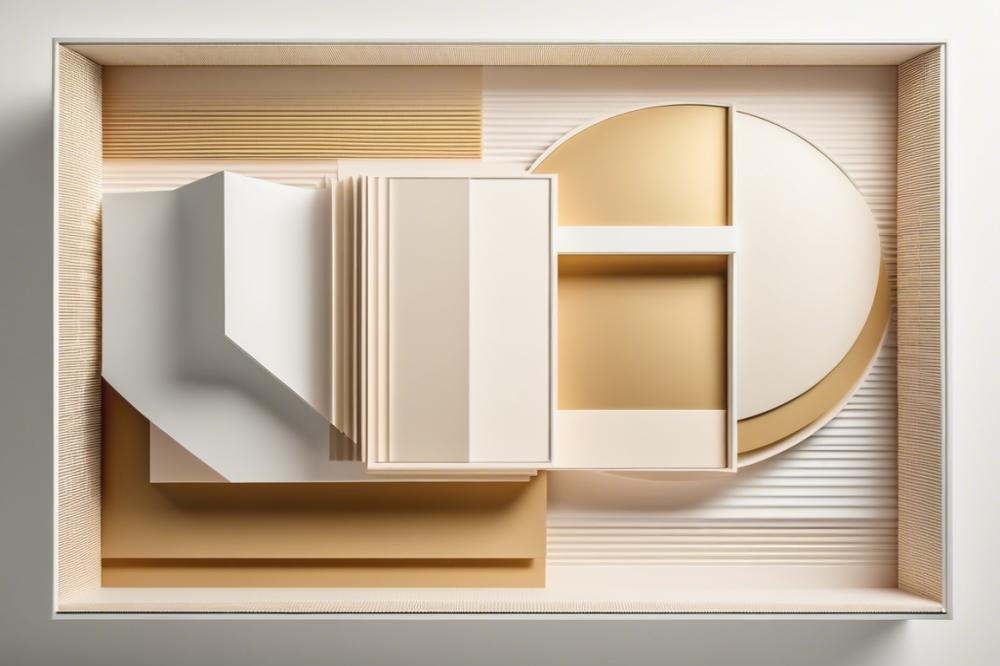
Enrico Castellani stands out as a pivotal figure in contemporary Italian art. His innovative approach reshaped artistic expression in the 20th century. Known for his profound engagement with light and shadow, Castellani created artworks that challenge and interact with visual perception. His pieces embody a sense of poetic minimalism, characterized by simple forms but rich in meaning.
Castellani’s work often explores the relationship between structure and space. Each artwork serves as a canvas that invites viewers to reconsider their surroundings. light and shadow play crucial roles, transforming the way we perceive each piece. This ongoing dialogue between elements creates an experience that transcends traditional aesthetics.
In this realm of artistic exploration, Castellani delves into spatial dynamics. His creations seem to breathe, adjusting as the viewer moves. The interaction is not just visual; it engages the mind and spirit as well. This interplay fosters an environment where simplicity and complexity coexist harmoniously.
As we explore the themes of poetic minimalism, light, shadow, and structure, a deeper understanding of Castellani emerges. His contributions to contemporary art continue to inspire and provoke thought. Truly, his legacy is one that invites us to look closer and appreciate the subtleties in our world.
The Essence of Enrico Castellani‘s Poetic Minimalism
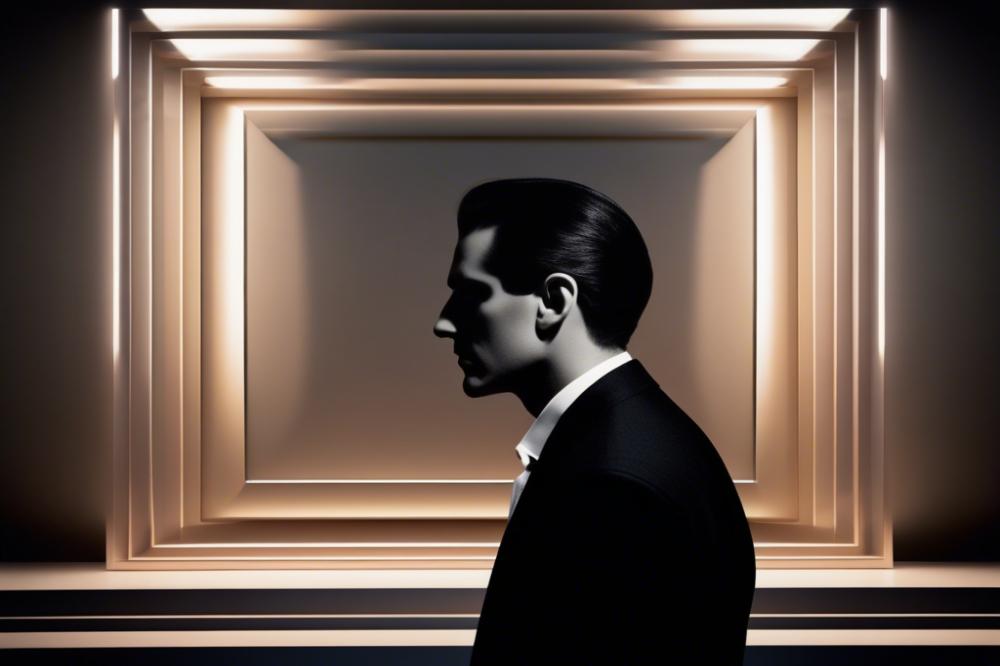
Poetic minimalism in art focuses on simplicity and clarity. This style emphasizes the essential elements over decorations. Stripping away distractions reveals deeper meanings. It invites viewers to engage with the artwork on a more intimate level. Key characteristics include the thoughtful use of space, form, and light. Shadow plays a significant role, creating a dialogue between light and structure.
Castellani’s approach to minimalism stands out in contemporary art. He did not merely reduce details; he transformed them. His works emphasize the interaction of light and shadow. Textured surfaces catch light in intriguing ways, altering perception. Each piece invites reflection on spatial dynamics. Viewers often sense a vibrancy that emerges from simplicity itself. Through his mindful arrangements, Castellani reshapes the viewer’s experience.
In his artistic expression, Castellani explores a deep connection between form and emotion. The artwork resonates with stillness, yet it is anything but empty. Rather than shouting for attention, it quietly demands it. Each piece embodies a dialogue between the viewer and the space around it. It prompts people to reconsider their visual perception. The elegance found in both Italian art and minimalism is evident in his creations.
This dialogue between light and structure reveals layers of meaning. Interactions create varying impressions based on the viewer’s angle. Shadows blend and dance across surfaces, making the experience dynamic. Emphasizing these qualities allows for a rich exploration of artistic intent. It’s a unique journey into simplicity that reveals underlying complexities. Castellani’s work stands as a powerful example of how minimalism transcends mere aesthetics.
Light and Shadow: The Dynamic Elements in Castellani’s Artwork
Light plays an essential role in the artwork of Enrico Castellani. It transforms flat surfaces into vibrant experiences. Through careful manipulation, he creates a unique relationship between light and structure. The artist used simple forms to capture and reflect light in ways that challenge our perception. Each piece becomes a dialogue between brightness and darkness.
The Role of Light in Castellani’s Art
In Castellani’s world, light serves as both medium and message. It enhances the dimensionality of his work. The reflective qualities of his materials engage observers, drawing them into each piece. As light shifts, so does the experience. This constant change allows viewers to discover something new every time they observe his creations.
The Interplay of Shadow and Its Impact on Visual Perception
Shadows are just as important as light. In Castellani’s art, shadows form a deeper understanding of space. They add layers to the visual experience. Shadows can be subtle or pronounced, affecting how a viewer interprets the work. This interplay creates an environment where perception itself becomes an artistic expression.
Case Studies of Notable Artworks That Exemplify These Elements
One prominent piece is “Superficie Bianca.” This artwork exemplifies how surface texture interacts with light. As light hits its different facets, varied shadows emerge, highlighting structural nuances. Another example is “Achrome.” This involves a series of monochromatic surfaces that utilize light to achieve an ethereal quality. Observers often note how the artwork seems to change just by walking past it.
In “Monochrome,” Castellani’s use of color and light reflects the surrounding environment. Viewers experience shifts in color based on their position. Light and shadow work together to create a harmonious tone, inviting spectators to lose themselves in the experience. Such spatial dynamics invite thoughtful engagement with contemporary art.
Structural Innovations in Castellani’s Work
Enrico Castellani revolutionizes narrative through his use of materials and structure. Specifically, he employs simple elements like canvas and paint, yet manipulates them in ways that challenge traditional boundaries. His work speaks volumes about the relationship between light and shadow, shaping visual perception in fresh, unexpected ways. Each piece reflects not just form, but an exploration of space that invites viewers to consider their surroundings anew.
Attention to structure is vital in understanding how Castellani’s artwork influences spatial dynamics. Canvases stretch and bulge, creating a mesmerizing effect. Shadows dance across surfaces, altering the viewer’s experience from different angles. This interplay invites a dialogue between the artwork and its environment, highlighting the transformative power of artistic expression.
Engagement with his pieces reveals deeper connections. Visitors find themselves interacting with the structure of each artwork. They walk around and confront layers of texture and light, altering their perception continuously. This movement establishes a unique relationship between the form and the viewer. In essence, Castellani’s work transcends mere aesthetics, becoming a part of the viewer’s journey through contemporary art.
What makes his art especially captivating is how it integrates with its surroundings. The simplicity of his designs contrasts with their profound implications. Each piece carries a poetic quality, inspiring emotions and thoughts beyond the visual. This relationship between structure, light, and shadow serves not just as decoration but as a catalyst for exploration in Italian art. Each visit can unveil new meaning as viewers interact with the layers he creates.
Enrico Castellani within the Context of Italian Modern Art
Enrico Castellani holds a vital place in the evolution of Italian art. He emerged during a time when the country experienced significant artistic movements. The push and pull of tradition and innovation shaped his work. Many artists sought to break free from the past, and Castellani was no exception. His artistic expression pushed boundaries, seeking to redefine how viewers interacted with visual perception.
Italian culture significantly influenced his artistic vision. The rich history of Italy, filled with artists and plays of light and shadow, resonated with him. Renaissance art’s focus on structure and balance can be seen echoing in his pieces. He embraced modern themes while drawing on this deep heritage. Castellani’s art embodies a dialogue between the past and the contemporary. This connection to Italian art history makes his contributions even more remarkable.
When comparing Castellani to his contemporaries, a distinct profile arises. Artists like Lucio Fontana and Piero Manzoni explored abstraction and materiality in their works. However, Castellani’s approach was rooted more in spatial dynamics than mere material use. His artworks invite viewers to engage not just visually but also emotionally. The integration of light and shadow creates unique experiences that stand apart in the field of contemporary art. While others experimented with ideas, he sought a more poetic interpretation. This focus sets him apart from many of his peers.
Moreover, Castellani’s use of structure in his works is striking. Each piece seems to breathe and resonate with the surrounding environment. Forms are not just shapes; they interact with light, creating compelling compositions. This interplay draws attention to the viewer’s existence within the space. The essence of his artwork lies in its ability to elicit a profound response. He achieved this through a careful balance of form, light, and spatial perception. The subtle elegance found in his pieces is a testament to his artistic philosophy.
Reflecting on Castellani’s Artistic Legacy
His influence in the art world cannot be overstated. Castellani’s dedication to the interplay of light, shadow, and structure has marked a significant chapter in modern art. By focusing on simplicity and subtlety, he created a new visual language that invites viewers to engage deeply with their surroundings. Each piece reveals the delicate balance between form and perception, showcasing the profound connection between an object and its environment.
Looking at the broader context, it is clear that his philosophy resonates with many contemporary artists today. His exploration of spatial dynamics and the nature of light has inspired a generation. Concepts once unique to his work have begun to reappear in various forms throughout galleries. Artists now embrace complexity through minimalism, highlighting how essential light can be in highlighting structure and texture.
Final thoughts reveal the importance of these themes in artistic expression. Light and shadow interact in ways that can evoke emotions and provoke thought. Structures can serve more than a physical purpose; they can communicate ideas. This poetic minimalism encourages appreciation for what is often overlooked. In a world filled with noise, Castellani’s approach reminds us that simplicity can hold great power. Art, in his vision, is not merely for observation but an experience that questions our perception of reality.