
Introduction
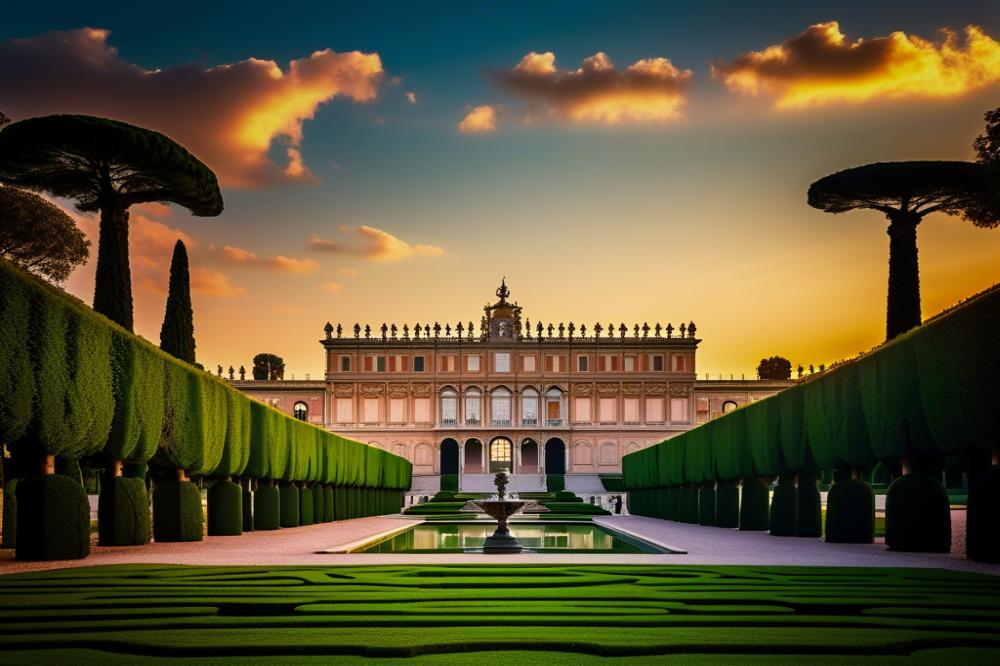
The Palazzo Doria Pamphilj stands as a remarkable example of a private palace that is also a cultural treasure in Rome. This historic site traces its roots to the Doria Pamphilj family, a name deeply intertwined with the city’s aristocracy. Visitors flock to this magnificent building not just for its striking architecture but also for the wealth of art contained within its walls.
Baroque style defines the palace’s exterior and interior, showcasing the grandeur of Italian architecture. Here, each room offers a narrative of its own, steeped in history and adorned with impressive artwork from the family’s extensive collection. The Doria Pamphilj collection features masterpieces that span centuries, providing a glimpse into the aesthetic preferences of the Roman nobility throughout time.
As a museum and gallery, the Palazzo attracts art lovers and curious travelers alike. Exhibiting works from renowned artists, it enriches the cultural heritage of the city. Wandering through its halls, one can bask in the splendor of art, elegantly displayed and skillfully preserved. This private palace invites everyone to experience the beauty and history hidden within its expansive grounds.
History of Palazzo Doria Pamphilj
The story of this remarkable private palace begins in the 15th century. Initially, it was built as a modest residence for the Doria family. Over time, the structure underwent significant changes, embracing the grandeur of Baroque design. The transformation reflects the aspirations of the period while showcasing the richness of Italian architecture.
Roman nobility played a crucial role in its development. As prominent figures in society, they sought to create impressive spaces that communicated wealth and power. The Doria Pamphilj family, in particular, contributed to the palace’s expansion. Their influence can be seen in both its elaborate interiors and the stunning art that fills its walls.
Key events shaped this historical site. In the 17th century, large renovations updated its façade and expanded the galleries. This period marked the addition of many exquisite works, forming the Doria Pamphilj collection. The palace transitioned from a family residence to a public museum, allowing visitors to appreciate its cultural heritage.
Visitors to the gallery will not only encounter beautiful artwork but also pieces that tell the story of the palace itself. Each room is a testament to its past, reflecting both the artistic trends of the time and the legacy of a prestigious family. Even today, it stands as a remarkable symbol of Renaissance and Baroque splendor in the heart of Rome.
Architectural Features
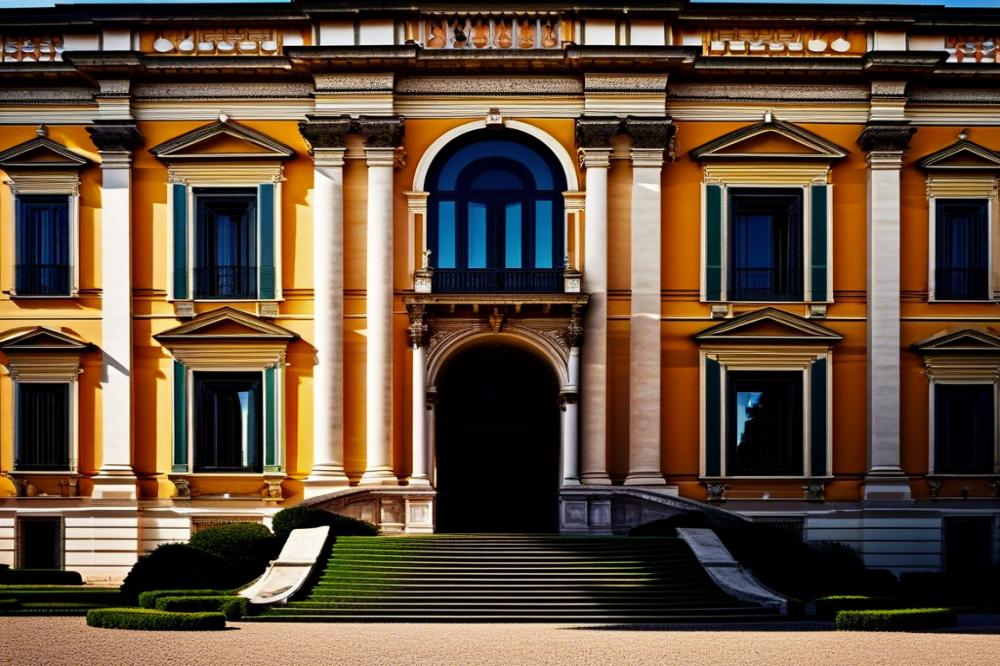
The Palazzo Doria Pamphilj is a stunning example of Baroque architecture. This style is known for its grandiosity and dramatic elements. Rich decorations and intricate details define the look of this historical site. Ornate facades and elaborate interiors are hallmarks of the Baroque period, and this palace showcases them beautifully.
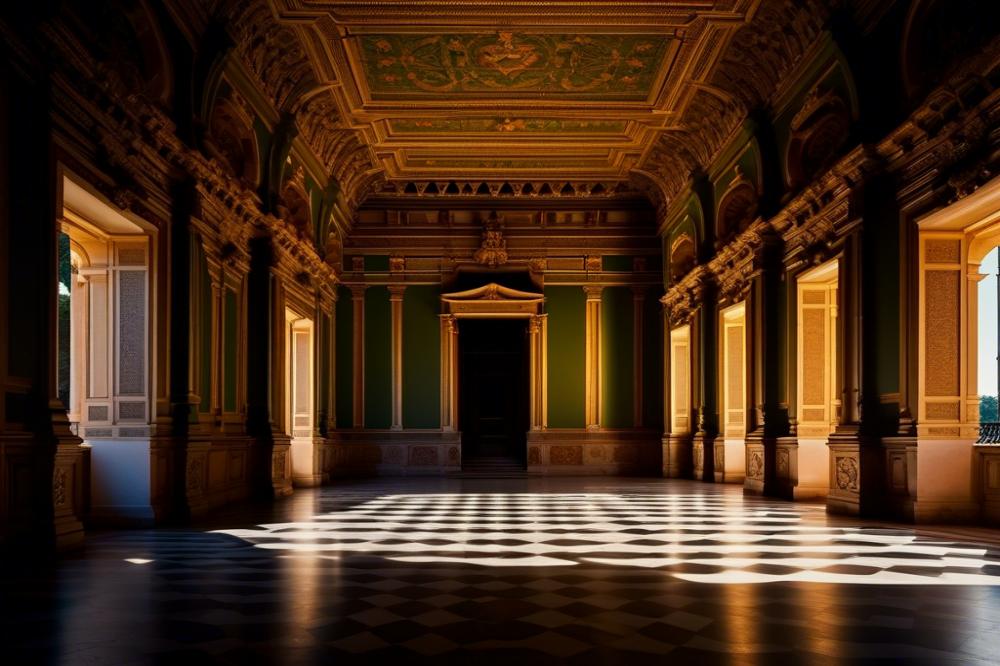
One of the most striking spaces within the building is the grand gallery. It features an opulent ceiling adorned with amazing frescoes. Vivid colors and motion capture the eye, creating an enchanting atmosphere for every visitor. The length of the gallery is impressive, lined with rich art pieces that tell stories of the past. Each painting adds to the cultural heritage of the site.
Noteworthy design elements abound throughout the palace. Spiral staircases, elegant moldings, and intricate sculptures enhance the beauty of the interior. These parts not only serve an aesthetic purpose but also highlight the power and influence of the Roman nobility. Every room adds to the overall feel of richness and history, making it a remarkable museum.
Understanding Italian architecture in the context of Roman palaces enhances its significance. Each structure serves as a testament to the artistry and craftsmanship of its time. As a cultural icon, Palazzo Doria Pamphilj stands out among its peers. It does more than house the impressive Doria Pamphilj collection; it represents the spirit of its era.
The Doria Pamphilj Collection
The Doria Pamphilj collection is a treasure trove of art nestled in a private palace. It showcases an impressive range of masterpieces from the Baroque period and beyond. Visitors often find themselves mesmerized by works that reflect the grandeur of the Italian architecture of the time.
This remarkable collection features renowned pieces by famed artists, such as Caravaggio and Raphael. One of the standout works is Caravaggio’s “Rest on the Flight into Egypt,” a piece celebrated for its dramatic use of light and shadow. Additionally, Raphael’s “La Fornarina” captivates with its beauty and intricate detail. Each artwork tells a story, connecting the past to the present.
The collection not only highlights artistic skill but also provides insight into the legacy of Roman nobility. The family’s history is intertwined with the city’s cultural heritage. This historical site exhibits how art shaped societal values and influenced generations. Each brushstroke reflects the tastes and aspirations of a unique era.
This gallery serves as a museum that preserves more than just artwork. It protects history, culture, and the spirit of an age long gone. Visitors come here not just to see art, but to experience the life of the Doria Pamphilj family and their impact on the art world. These elements combined create a rich narrative that enhances our understanding of art history.
Palazzo Doria Pamphilj as a Museum and Gallery
Transformation from Private Residence to Public Museum
Once a splendid private palace, this remarkable building has undergone a significant transformation. Originally home to the Doria Pamphilj family, it now serves as a museum open to the public. The shift from a personal residence to a cultural heritage site is a fascinating tale. Generations of Roman nobility lived within its walls, surrounded by art and opulent decor. Today, it presents a blend of history and artistry as it showcases the stunning Doria Pamphilj collection. Visitors can walk through the grand halls that once echoed with the lives of powerful families. This evolution highlights the importance of preserving such historical sites for public enjoyment.
Visitor Experience and Highlights Within the Gallery
Walking through the gallery offers an immersive experience. Patrons can gaze upon masterpieces from the Baroque period and beyond. Each artwork tells a story, reflecting the artistic trends of its time. Not only are there paintings, but also sculptures and decorative arts that captivate many. Every room is adorned with details that invite curiosity. The palatial setting enhances the beauty of the artworks it houses. Moreover, guided tours often provide intriguing insights into the art and the family’s history. Visitors come away inspired and enriched by their encounter with beauty in this magical space.
Educational Programs and Cultural Initiatives
Beyond showcasing art, the palazzo engages the community with various educational programs. These initiatives aim to foster appreciation for Italian architecture and historical art. Workshops for students and adults encourage creativity and exploration of artistic techniques. Lectures and exhibitions often delve into the nuances of Renaissance and Baroque styles. Such offerings help bridge the gap between history and modern understanding of culture. Collaborations with local schools also enrich the learning experience. By participating in these programs, individuals can deepen their connection to art and history.
Final Thoughts on Palazzo Doria Pamphilj
This private palace is a cornerstone of art and history in Rome. Visitors marvel at its collection, which includes works by famous artists such as Caravaggio and Raphael. The palace serves not just as a gallery, but as a window into the city’s past. It reflects the grandeur of the Pamphilj family and showcases Italy’s rich cultural heritage.
Over the years, this magnificent site has become a refuge for art lovers. Many people stroll through its halls, soaking in the atmosphere that has inspired countless artists. Each room tells a story, enticing guests to linger and reflect. The blend of architecture and artistry here is truly impressive.
Moreover, this location continues to be relevant in today’s world. It engages learners and tourists with its immersive experience. By highlighting lesser-known pieces alongside famous masterpieces, visitors gain a broader understanding of art in Italian culture. The palace stands as a testament to the enduring nature of artistic expression.
In summary, Palazzo Doria Pamphilj remains a vital part of Rome’s artistic legacy. It bridges the past and present, inviting people to witness history through a unique lens. Each visit offers something new, making it an essential destination for anyone exploring the beauty of Italy.

