

The Importance of Terroir in Italian Olive Oil: How soil and climate Shape Flavor
Understanding the concept of Terroir reveals how soil and climate contribute to the character of Italian Olive Oil. This term encompasses all the natural elements influencing agriculture in a specific area. It embraces the relationship between the environment and the crops it produces. The significance of terroir is especially evident in the world of olive oil. Different regions in Italy offer distinct flavors based on their local conditions.
Italy shines as a cornerstone in the global olive oil market. It is renowned for its diverse variety of olives which thrive in the country’s varied landscapes. The nation produces some of the finest oil, cherished by chefs and food enthusiasts alike. This reputation stems from a long history of cultivation and an unwavering commitment to quality. Italy remains a top producer and exporter, solidifying its influence in this sector.
Key elements like soil and climate play crucial roles in shaping flavor profiles. The ground composition varies widely across Italy, affecting the sensory characteristics of the oil produced. Nutrient-rich soil enhances the growth of particular olive varieties, imparting unique tasting notes. Additionally, Italy’s Mediterranean climate provides warm summers and mild winters, ideal for olive cultivation. The interplay between these elements results in rich regional differences. Each distinct area can produce oils with flavors ranging from fruity to peppery.
Organic farming practices also contribute to the overall quality. Sustainable methods respect the land and allow natural flavors to shine through. By prioritizing the environment, producers can create exceptional oils that celebrate their roots. Understanding how these factors intertwine helps consumers appreciate the depth of Italian olive oil even more.
Understanding Terroir in Olive Oil
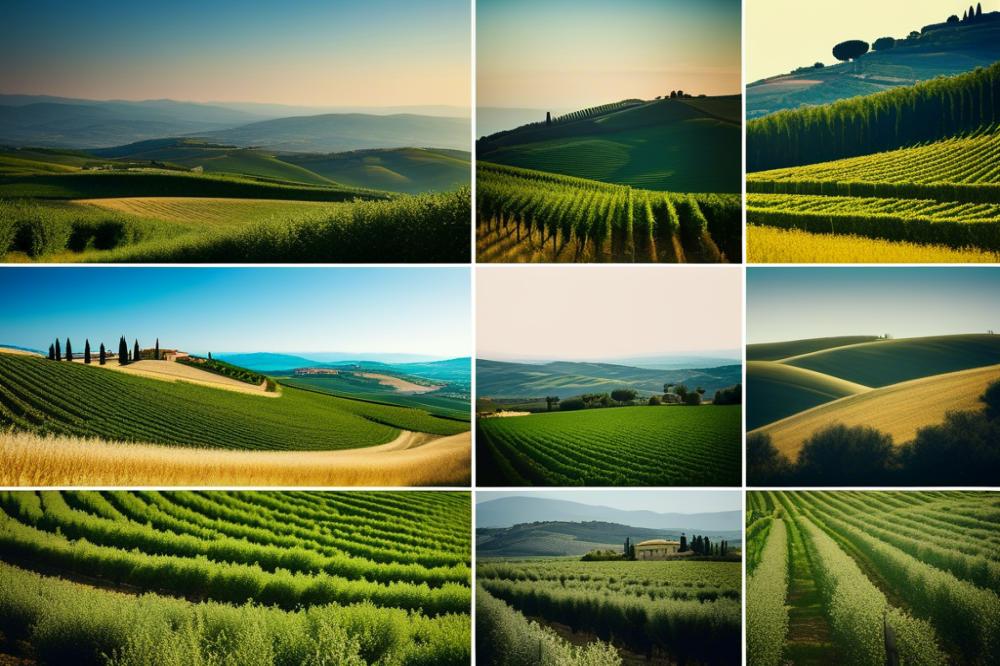
The term ‘terroir’ often refers to how the environment influences the taste of agricultural products. In olive oil production, the soil and climate play major roles in creating distinct flavors. Each olive variety, whether it’s Frantoio or Picual, absorbs these environmental factors, leading to a wide array of sensory characteristics.
Soil composition is critical for olive cultivation. Different minerals and organic matter give plants the nutrients they need to thrive. For example, sandy soils drain well, which can prevent overwatering and encourage deeper root growth. In contrast, clay-rich soils retain moisture better, but they may lead to waterlogged roots if not managed. The structure of the soil affects root systems as well, impacting how olives develop and ultimately influencing the oil’s flavor.
Climate conditions significantly shape olive farms, especially in regions with a Mediterranean climate. Warm, dry summers combined with mild, wet winters create an ideal environment for olive trees. This climate pattern helps maintain the right balance of sunlight and moisture, key for healthy fruit production. Seasonal changes impact olive ripening, leading to different tasting notes based on when olives are harvested.
Regional differences also manifest in the oil itself. In Tuscany, for instance, a robust and peppery flavor can be found, while oils from Sicily often carry fruity and fragrant notes. These variations arise from local climate conditions, soil types, and even traditional organic farming practices. Each region’s distinct methods of cultivation contribute to the complex flavor profile found in each bottle.
Emphasizing the importance of understanding how climate and soil shape olive oil can deepen appreciation for this ancient product. Consumers often find delight in exploring oils with distinct characteristics linked to their origins. By understanding these factors, one can truly enjoy the full spectrum of flavors that Italian olive oils have to offer.
Regional Differences in Italian Olive Oil
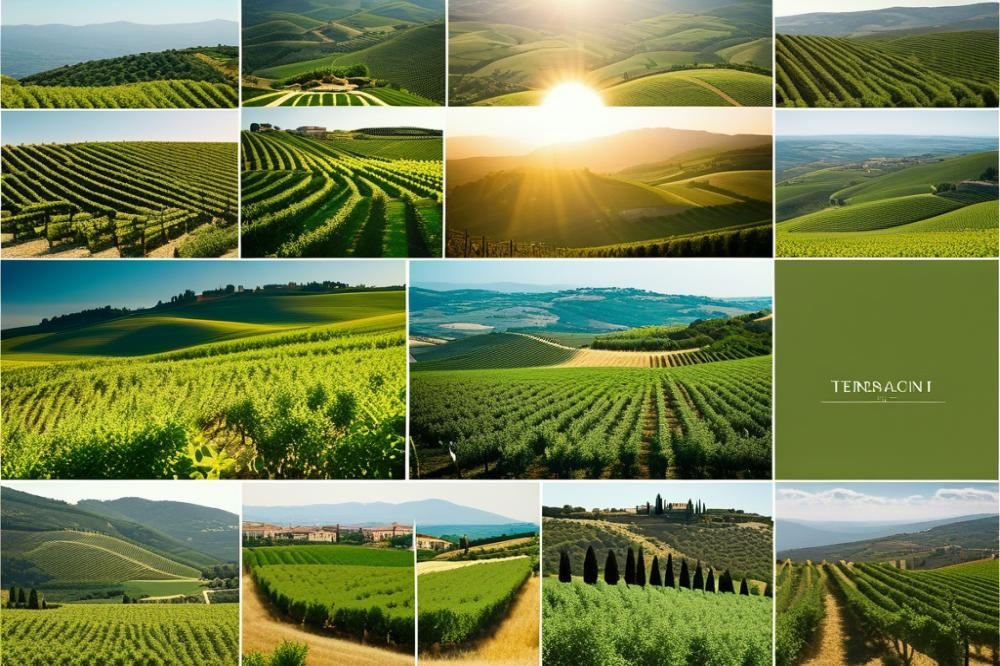
Italy is home to a wide range of regions known for their rich olive oil production. Each area possesses its own distinct soil types and climate, which directly influence the oil’s flavor. Among these regions, Tuscany, Puglia, and Liguria stand out for their exceptional offerings.
Tuscany boasts a landscape filled with rolling hills and well-drained soil. The warm Mediterranean climate creates ideal conditions for olive cultivation. Here, varieties such as Frantoio and Leccino thrive. These olives often yield oils that have smooth, fruity flavors with grassy notes. Taste the difference when sampling Tuscan oils; they are often described as having a delicate balance of bitterness and pungency.
Puglia, located in the southeastern part of Italy, presents a contrasting environment. This region benefits from a hotter climate and a mix of rocky and clayey soils. Popular olive varieties grown here include Coratina and Peranzana. Oils produced from these olives can be robust and spicy, with rich, bold flavors. The intensity often captures the essence of the southern sun.
Liguria, sitting along the Italian Riviera, has yet another unique setting. The olive groves here cling in terraces to steep hillsides. Soil in this region varies from sandy to rocky, creating different growth conditions. The Taggiasca olive is prominent here. Olive oil from Liguria is often sweeter and more fragrant compared to its counterparts, featuring floral and nutty sensory characteristics.
These regional differences in olive oil production illustrate how climate and soil influence every drop of oil. Some producers even practice organic farming methods, which enhances the depth of flavors through natural cultivation processes. From the smoothness of Tuscan oils to the intense flavors of Puglia, exploring Italian olive oils can be quite the adventure for your palate.
Each location’s specific olive varieties also play a critical role in defining the final product. Awareness of these factors allows consumers to appreciate the diverse tasting notes that different oils provide. Ultimately, understanding the local environments helps to unveil how Italian olive oil is more than just a cooking ingredient; it is a reflection of the land where it is born.
Sensory Characteristics and Tasting Notes
Sensory characteristics in olive oil play a crucial role in defining its quality. Aroma is the very first indication of what one might expect. It can range from fruity to grassy, with hints of nuts or even artichokes. Flavor follows close behind, showcasing the intricate balance of bitterness and pepperiness that can vary widely. Texture also impacts the experience, varying from smooth to robust, often determining a personal preference.
Different regions in Italy provide distinct tasting notes, largely influenced by the soil and climate. For instance, oils from Tuscany often have a peppery finish with a strong character. The sandy soils near the coast might yield oils that are lighter and fruitier. In contrast, oils from Lazio carry a softer, more herby profile, often with a hint of sweet almonds. Each olive variety contributes its own traits, amplifying the regional differences of flavor.
Cultivation practices significantly affect sensory traits as well. Organic farming tends to produce oils with more depth of flavor. Without the interference of synthetic fertilizers or pesticides, the olives develop a richer profile. These methods often emphasize the natural interactions between soil and climate. In a Mediterranean climate, olives benefit from warm summers and mild winters, enhancing their characteristics. The result can be oils that taste fresher and more expressive.
Interestingly, the method of harvesting can also lead to variations in taste. Hand-picked olives are often believed to yield higher-quality oil than those mechanically harvested. Damage during harvesting can affect the olive’s integrity, causing a bitter aftertaste. Each detail counts in bringing out the oil’s full potential.
Overall, understanding these sensory characteristics allows one to appreciate the complexity in each bottle of olive oil. Tasting notes serve as a guide to explore Italy’s diverse offerings. Knowing the impact of soil types and climate can also enhance the experience. With sensible choices, it becomes possible to select olive oil that truly reflects its origin.
The Role of Cultivation Techniques
Italian olive oil production boasts a rich tapestry of cultivation techniques. Traditional methods have stood the test of time, relying heavily on decades, sometimes centuries, of local knowledge. Farmers embrace practices passed down through generations. Young olive trees, cultivated in harmony with the soil, thrive in specific regions. Each area yields different olive varieties that reflect local conditions. This approach promotes biodiversity and deepens a sense of place.
Modern techniques offer a contrast to these time-honored practices. Mechanization often speeds up harvesting and processing. Yet, some critics argue that this can detract from the quality and sensory characteristics of the oil. Advances in agricultural science enhance yields but may compromise the essence of local flavor. Soil health and climate play crucial roles in this balance, influencing the final product significantly.
Recently, a shift toward sustainable practices has gained momentum within the olive oil industry. Organic farming is becoming more popular. This trend focuses on avoiding synthetic chemicals and embracing natural methods. Growers are increasingly aware of their environmental impact. By prioritizing healthy ecosystems, they enhance soil vitality and flavor integrity. The Mediterranean climate lends itself well to such initiatives, fostering conditions that promote robust tree growth.
Regional differences further define the way cultivation impacts flavor. For instance, the hot, dry summers of southern Italy produce oils with fruity and bold tasting notes. In contrast, northern regions may create oils that are more delicate and grassy. Varietals also play a significant role in how flavors shine through. Certain olive types can withstand harsher conditions while others flourish in cooler climates. This diversity allows for a rich experience when tasting different oils.
Every choice made in the field influences the final product. The methods of cultivation either highlight or mask the distinct characteristics of each oil. Farmers who opt for organic methods often find their oils have a more vibrant flavor profile. Practices catering to the health of the land promote a richer expression of the region. Understanding this connection gives consumers a greater appreciation for each bottle on the shelf.
Final Thoughts on Terroir in Italian Olive Oil
Understanding the relationship between soil, climate, and flavor is crucial in appreciating Italian olive oil. The land where olive trees grow greatly influences the taste of the oil produced. Different regions offer a variety of elements that shape scent and taste. Each oil can tell a story about its environment, making them truly special.
Climate plays an essential role too. It affects how olives ripen and what aromas develop in the oil. This connection makes exploring different olive oils an adventure for the senses. Tasting oils from various regions allows people to experience distinct characteristics, all shaped by their unique settings.
We encourage readers to sample olive oils from different areas of Italy. Each bottle reflects the land it comes from, offering flavors you might never have anticipated. Whether it’s a peppery Sicilian oil or a mellow Tuscan variety, each choice presents a chance to discover something new. Enjoy the journey as you explore all the wonderful expressions that Italian olive oil has to offer.

