

The Importance of the Mediterranean Monk Seal in Italian waters
Overview of the Mediterranean Monk Seal
The Mediterranean Monk Seal is a remarkable marine mammal native to the warm waters of the Mediterranean Sea. Known for its robust body and distinctive whiskers, this animal holds a special place in the region’s marine biodiversity. Images of these seals lounging on rocky shores or gliding through the waves capture the essence of a vibrant Mediterranean ecosystem.
Significance in Italian waters
In Italian waters, the presence of this seal serves as an important indicator of the health of coastal ecosystems. Their wellbeing signifies thriving marine life, a crucial aspect of environmental balance. Italy’s diverse coastline offers both rich habitats and challenges. Increased human activity puts pressure on these areas. Protecting the Monk Seals and their environment reflects a broader commitment to wildlife conservation in the region.
Brief Overview of Its Status as an endangered species
Sadly, the Mediterranean Monk Seal is classified as an endangered species, with dwindling populations due to various threats. Habitat loss, pollution, and hunting have caused significant declines. Striking numbers of these seals have been lost in recent decades. Efforts for species recovery depend on active support for habitat protection. By raising environmental awareness, communities can play a role in reversing the negative trends facing this iconic marine mammal.
Ecological Role of the Mediterranean Monk Seal
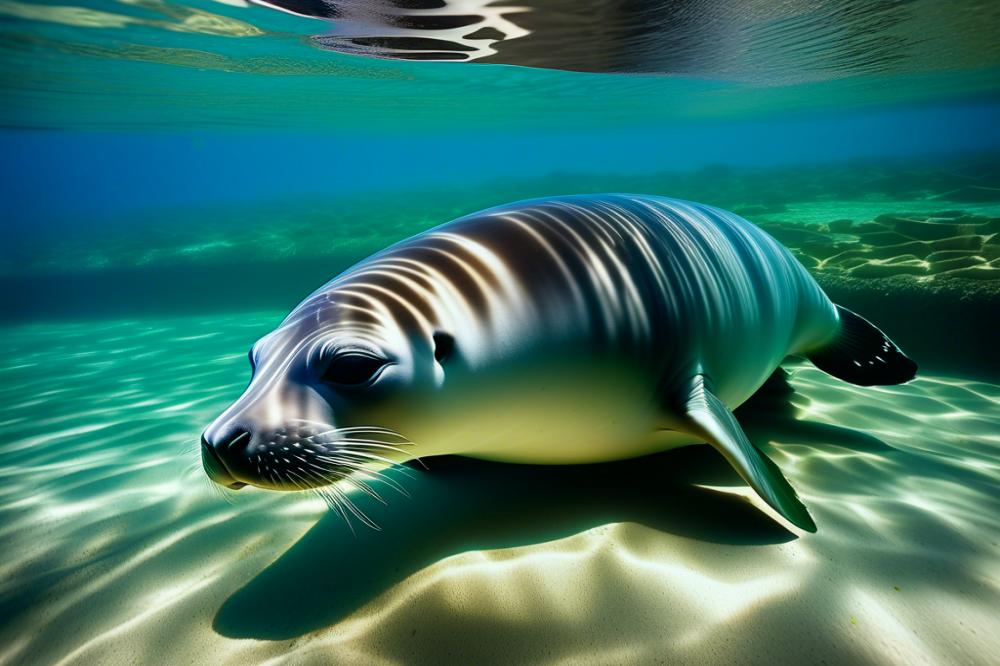
The Mediterranean Monk Seal plays a vital part in its environment. It impacts marine biodiversity in notable ways. As an apex predator, this endangered species influences the population dynamics of various marine life forms. Fish populations, such as small fish and cephalopods, find a balance due to their hunting habits.
Coastal ecosystems benefit from the presence of this seal. Healthy habitats flourish when top predators exist within them. Seals contribute to nutrient cycling through their feeding activities. Their waste provides essential nutrients that support marine plant life, essential for overall ecosystem productivity.
Habitat protection is critical for ensuring the survival of this species. When their habitats are well-maintained, other marine organisms also thrive. The seal’s presence signifies a robust ecosystem. Its decline can lead to negative consequences for not only marine biodiversity but also for coastal areas that depend on ecological health.
Moreover, this species is indicative of the Mediterranean ecosystem’s overall well-being. By supporting wildlife conservation efforts, we can aid in species recovery initiatives. Promoting environmental awareness is essential for protecting these seals and their habitats. Engaging communities can lead to improved stewardship of Italian waters and surrounding coastlines.
In summary, the Mediterranean Monk Seal plays an irreplaceable role in maintaining ecological balance. Its influence extends beyond just its own needs and directly impacts the health of marine biodiversity. Preserving this species is crucial for sustaining the intricate web of life in our oceans.
Threats to the Mediterranean Monk Seal
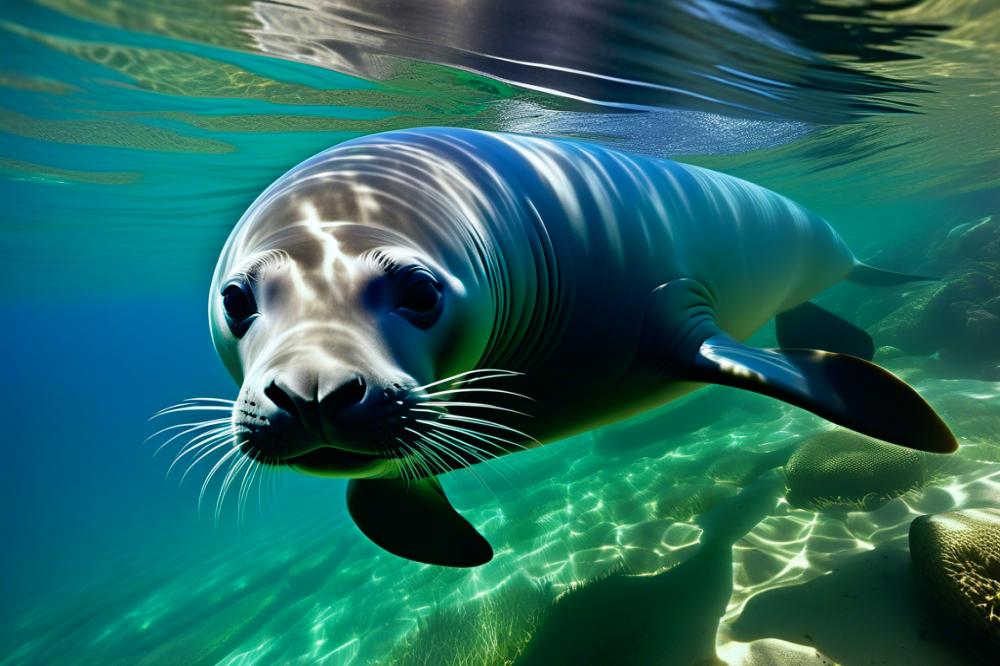
Human activities significantly impact the habitat of this endangered species. Coastal development continues to encroach on vital areas, leading to a loss of safe breeding sites. Many beaches that once provided shelter are now lined with resorts and marinas. Fishing practices also pose risks, as accidental entanglement in nets can lead to injury or death. Overfishing depletes the seal’s food sources, forcing them to search farther for sustenance.
Climate change brings with it a series of challenges. Warmer sea temperatures disrupt marine biodiversity, altering habitats for various marine life. These changes can affect the distribution of prey species, making food harder to find. Additionally, rising sea levels threaten coastal ecosystems, further diminishing the available space for seals to thrive. As these conditions become more severe, ongoing species recovery efforts may be jeopardized.
Pollution remains a pressing concern in Italian waters. Chemical runoff from agriculture and urban areas contaminates the sea, creating toxic environments. Plastic waste poses another serious threat to marine animals. Seals sometimes ingest harmful materials or become trapped. The health of marine life is at risk as pollutants accumulate in the food chain. Therefore, habitat protection and wildlife conservation must be prioritized for future generations.
Raising environmental awareness is crucial for safeguarding these creatures. Educating the public about their role in the Mediterranean ecosystem can promote empathy and support. When people understand the challenges faced by species like the monk seal, they are more likely to advocate for protective measures. Engaging communities in conservation efforts fosters a sense of responsibility towards preserving coastal ecosystems.
Conservation Efforts in Italy
Current Wildlife Conservation Programs
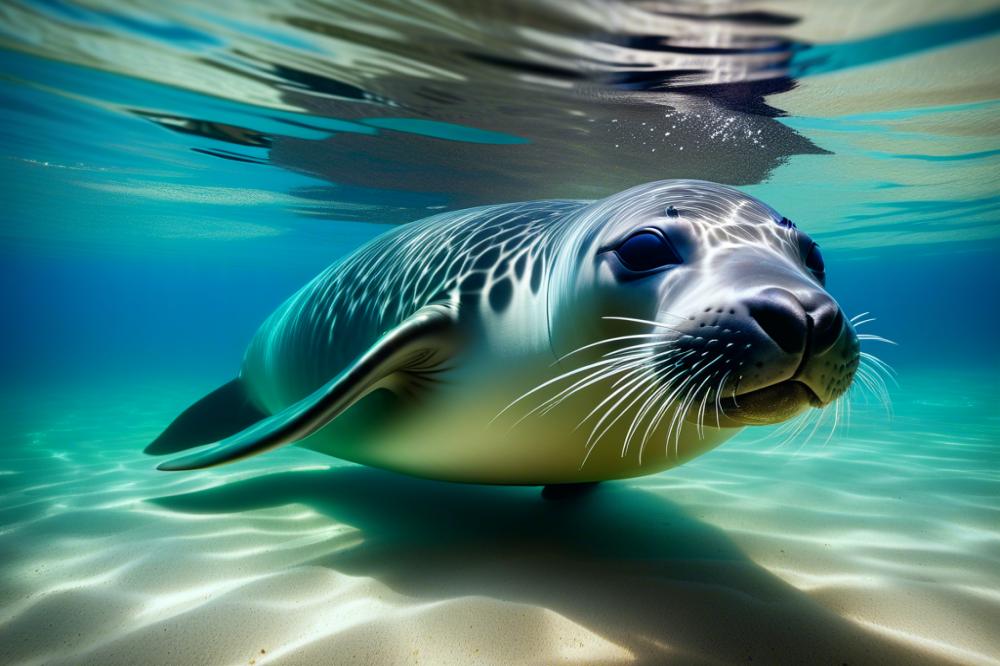
Many organizations target the protection of endangered species in Italian waters. Specific programs focus on monitoring seal populations and their health. Regular surveys gather data crucial for species recovery efforts. The goal is to create a safer habitat for marine life. Education initiatives play a significant role, teaching communities about the importance of marine biodiversity. Local fishermen often participate in these programs to promote sustainable practices. Engaging the public fosters a deeper connection to the ocean and its inhabitants.
Habitat Protection Initiatives
Protecting habitats is vital for coastal ecosystems. Italy has designated several marine protected areas to enhance these efforts. These zones restrict harmful activities like overfishing and pollution. By limiting human impact, the aim is to create a healthier Mediterranean ecosystem. Additionally, restoration projects work to revive damaged habitats, ensuring the area is suitable for all marine life. The collaboration of scientists, policymakers, and local communities is essential in these endeavors.
Collaborations with Environmental Organizations
Partnerships with various environmental organizations amplify conservation efforts. Conservation groups often work alongside governmental bodies to harmonize strategies. This teamwork is crucial for effective regulations that protect marine habitats. Increased environmental awareness leads to stronger support for wildlife. Educational outreach involves schools and community groups, building a network of informed advocates. Studies conducted by universities provide valuable insights and drive policy changes. Such collaborations make a substantial difference in the fight for marine biodiversity in Italian waters.
Importance of Environmental Awareness
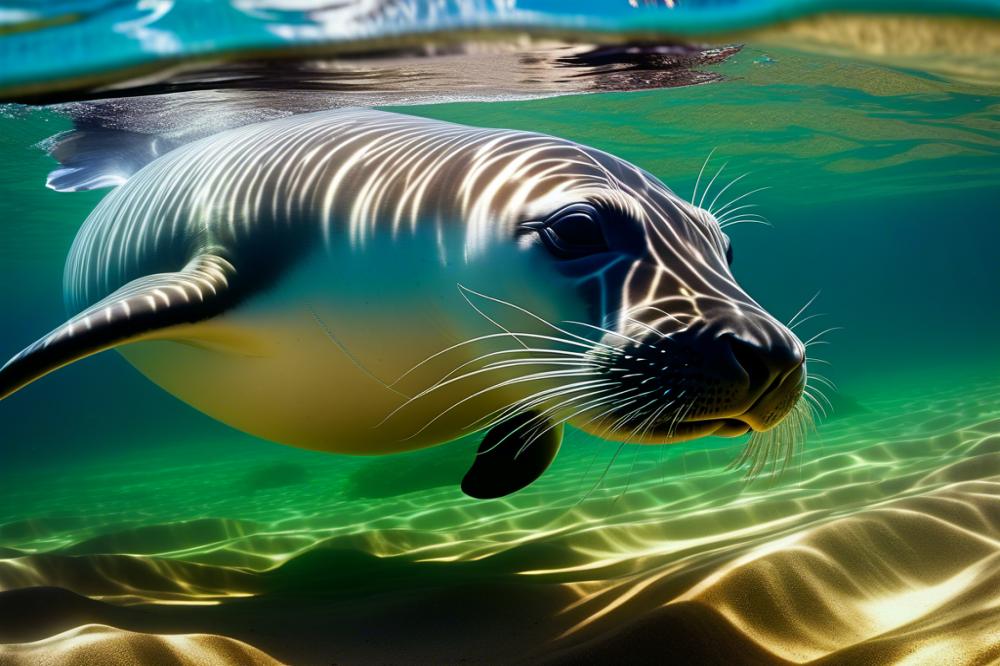
Understanding the role of local communities is crucial for species recovery. Residents in coastal areas have direct connections to their environment. When people become aware of the challenges facing endangered species, they are more likely to take action. Awareness encourages favorable attitudes towards wildlife conservation.
Role of Local Communities in Species Recovery
Local communities can play a key part in protecting marine biodiversity. By participating in conservation programs, they help foster healthy coastal ecosystems. Engaging community members in restoration efforts creates a sense of ownership. Through these efforts, they can effectively contribute to preserving the Mediterranean ecosystem.
Educating the Public on Endangered Species
Education serves as one of the pillars of environmental awareness. Schools, organizations, and local governments can teach residents about the importance of protecting marine life. Workshops and campaigns raise awareness about the significance of endangered species. Information spreads quickly when it reaches a larger audience.
Promoting Stewardship of Marine Life
Stewardship involves taking responsibility for the health of marine environments. Communities can organize clean-up events along beaches and coastlines. These actions lead to better habitat protection and healthier ecosystems. When individuals understand their impact, they often make choices that help safeguard wildlife.
Final Thoughts on the Mediterranean Monk Seal’s Role
The Mediterranean Monk Seal plays a crucial part in the marine ecosystem of Italy. This endangered species provides valuable insights into the health of our oceans. Its presence indicates a thriving habitat, which is vital for many marine organisms. By protecting this seal, we help maintain the balance of life in the sea.
Efforts to conserve its population must remain a priority. Local communities, policymakers, and conservationists need to work hand in hand. Education about the seal’s significance is essential in fostering appreciation and understanding. With awareness, people can support initiatives aimed at habitat protection and recovery.
Preserving marine biodiversity in Italian waters is not just about one animal. A healthy ocean supports fish stocks, recreational activities, and tourism. Each species plays an integral role in a larger system. Ensuring the survival of various marine life forms guarantees ecological resilience.
In summary, the Mediterranean Monk Seal is more than just a unique creature of the sea; it symbolizes the critical need for environmental stewardship. Taking actionable steps today will create healthier oceans for generations to come. Let’s join forces to protect this remarkable species and the diverse ecosystem it represents. Every effort counts in sustaining our rich marine heritage.

