
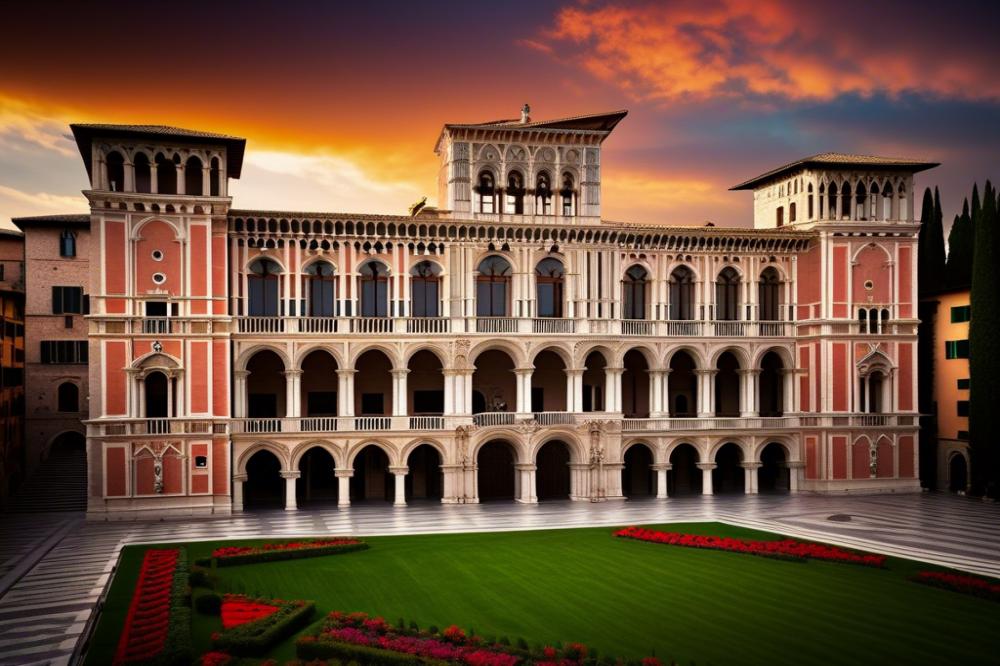
The Historic Elegance of Palazzo dei Priori in Perugia
Overview of Palazzo dei Priori
The Palazzo dei Priori stands as a remarkable example of historic architecture in Italy. This grand palace, located in the heart of Perugia, showcases the city’s rich medieval history. Built in the 13th century, it reflects both the political power and artistic prowess of Umbria during the Middle Ages. Its imposing façade and intricate details instantly capture the attention of visitors. The elegant stonework tells stories of a time when Perugia was a thriving center of commerce and culture.
Importance of the Palace in the Context of Italian Palaces
Among the many Italian palaces, this one is exceptional. It serves as a testament to the architectural beauty found throughout the country. Constructed during the Renaissance, it exemplifies the blend of functionality and artistry that characterizes many significant structures of this period. The influence of Italian art is palpable within its walls. Each room and corridor features decorations that speak to the era’s craftsmanship. Moreover, it represents the social and political dynamics of its time, marking its importance in the larger narrative of Italian history.
Connection to Perugia’s History and Culture
This building is deeply intertwined with Perugia’s cultural heritage. It has witnessed various events that shaped the city’s evolution. The palace has functioned as a seat of government, reflecting the city’s democratic roots. Celebrations and festivals often center around this landmark, showcasing its role in the lives of the locals. Furthermore, the artwork contained within its galleries highlights the region’s artistic achievements. Thus, the Palazzo dei Priori is not just a building; it’s a living piece of Perugia’s story, linking past and present through its walls.
The Architectural Beauty of Palazzo dei Priori
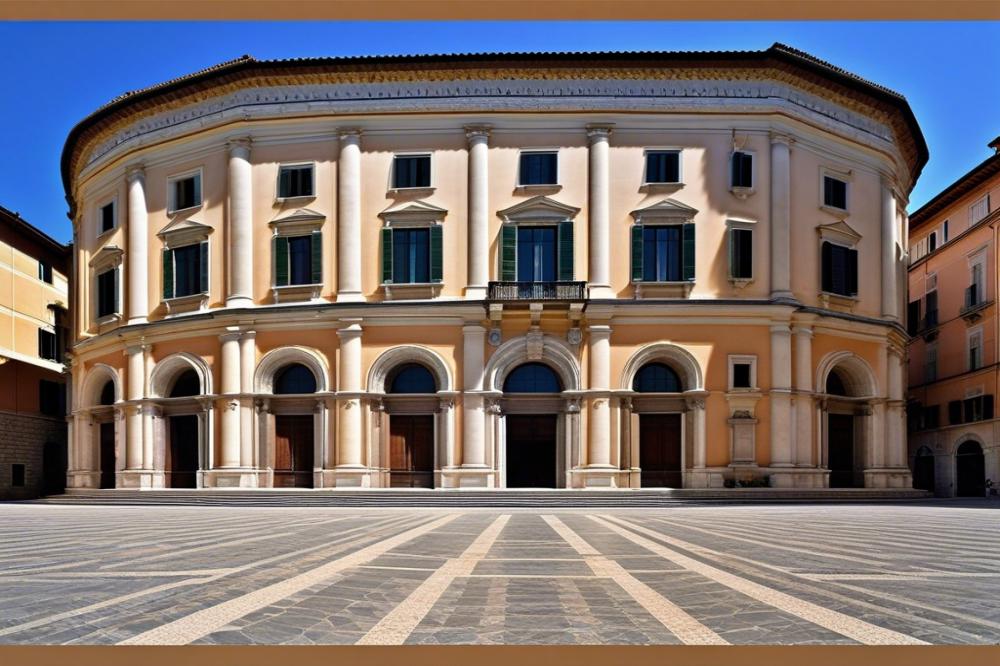
The Palazzo dei Priori stands as a captivating symbol of Perugia’s rich medieval history. Its historic architecture reflects the power and prestige of the government that once occupied this grand space. Constructed between the late 13th and early 14th centuries, the building incorporates elements from Gothic and Renaissance styles, showcasing a blend that is truly remarkable. The facade features tall arches and intricate stonework that highlight the artistic trends of the time.
Each design element contributes to the overall architectural beauty. Pointed arches, characteristic of Gothic architecture, bring a vertical elegance to the structure. Meanwhile, Renaissance touches can be seen in the harmonious proportions and the classical detailing that adorns various sections of the palace. This seamless integration of styles allows for a visual dialogue between different artistic movements throughout Umbria.
Constructed largely from local stone, the materials used display the resources of the region. The warm, earthy tones of the stones harmonize beautifully with the landscape of Perugia. In addition to sturdy stonework, decorative elements crafted from terracotta add depth and texture to the surface, highlighting the skilled craftsmanship of Italian artisans. Such materials not only reflect the aesthetic preferences of the time but also connect the structure to its cultural heritage.
As one of the defining Perugia landmarks, Palazzo dei Priori draws visitors eager to appreciate its historical significance. The interplay of light and shadow across its facade creates a dynamic visual experience. Visitors often find themselves captivated by the grand entrance and the richly adorned windows, each telling a story of its own. These details invite reflection on the Italian art that flourished in the region during its establishment.
The building is more than just an architectural masterpiece; it serves as a narrative of the past. Representing a pivotal point in the development of Perugia, its presence continues to resonate in the city today. Exploring its hallways and observing the intricacies of its design fosters a deeper appreciation for the cultural importance intrinsic to this enduring structure.
Medieval History and Cultural Significance
Role in Perugia’s Medieval History
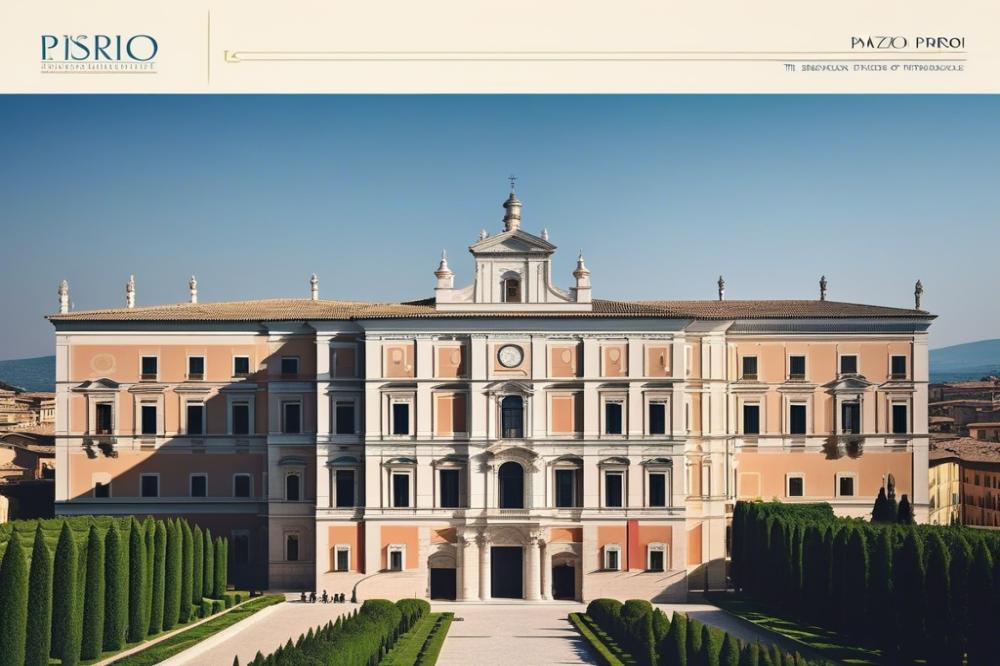
The Palazzo dei Priori stands as a witness to the rich medieval history of Perugia. Construction began in the early 13th century, making it one of the oldest buildings in the city. During this period, the palace served as the seat of power for the city’s governing bodies. Laws and policies shaped the lives of local citizens within its impressive walls. As a center for political activity, it played a crucial role in the governance of Perugia and its surrounding areas.
Connection to Local Governance and Civic Life
Local governance thrived in this historic architecture, shaping civic life for generations. Officials made important decisions that affected daily existence right from the palace. Citizens gathered here to witness the deliberations of their leaders. Public meetings and events often took place in its grand spaces. Over time, the palace became more than just a building; it was a hub that connected people to their leaders. The frescoes and artwork within reflect the values and ideals of the community.
Symbol of Power and Unity in Umbria
Within Umbria, the Palazzo stands as a symbol of power and unity. Its towering presence represents not just authority, but also a shared identity among the region’s inhabitants. The architectural beauty captivates visitors and locals alike, serving as a reminder of Perugia’s significance in Italian history. Many view the palace as a bridge between past and present. In this way, it preserves the cultural heritage of an era rich in tradition. Italian art flourishes here, advocating the values of the Renaissance which began to shape the region during this time.
These attributes have solidified the Palazzo dei Priori’s role as one of the most important Perugia landmarks, illustrating the blend of history and culture that define the city. Visitors often leave with a deeper understanding of the city’s medieval past and its ongoing legacy in modern Italy.
Palazzo dei Priori as a Center of Italian Art
Art thrives within the walls of this historic architecture. The palace showcases a variety of artistic treasures that highlight the rich cultural fabric of Perugia. Visitors often admire the grand frescoes, intricate carvings, and detailed paintings that tell stories from medieval history to the Renaissance. Each piece contributes to the palace’s reputation as a key location for Italian art.
The significance of the works and artists associated with the palace cannot be overstated. Renowned painters like Perugino, a master of the Renaissance, left their mark here. His works, alongside those of other great artisans, reflect not only individual talent but also a collective movement that shaped the artistic landscape of Umbria. A walk through the palace is like stepping back in time, where each brushstroke echoes centuries of creative expression.
Moreover, the impact on the cultural heritage of the region is profound. This landmark stands as a testament to the influences that art has on society. Italian palaces like this one serve as reminders of the historical significance of art in everyday life. They foster an appreciation for the past while inspiring future generations of artists and art lovers alike. The architectural beauty combined with artistic mastery makes this place a focal point for cultural identity in Perugia.
Exploring Modern Perugia Landmarks
The Palace in Relation to Other Perugia Landmarks
Historic architecture in Perugia is both rich and varied. The Palazzo dei Priori stands proudly among the city’s most famous buildings. Nearby, the breathtaking Fontana Maggiore draws many visitors. This central fountain, with its intricate carvings, complements the elegance of the palace. In addition, the stunning Cathedral of San Lorenzo adds to the city’s medieval history. Each landmark contributes to a vibrant narrative of Umbria’s past. Together, they create a picturesque setting that invites exploration.
How Palazzo dei Priori Enhances the City’s Architectural Landscape
Architectural beauty is not merely about grandeur; it’s also about harmony and style. The Palazzo dei Priori, with its strong presence, enhances the overall aesthetic of the area. Built during the Renaissance, it reflects the artistic trends of its time. This structure harmonizes with the flowing lines of adjacent Italian palaces. Visitors often pause to appreciate its detailed facade and towering stone walls. Each element reveals a story tied to Perugia’s cultural heritage. Such features inspire admiration, drawing in not only tourists but also locals.
Supporting Tourism and Local Economy
Cultural heritage sites like the Palazzo play a crucial role in boosting tourism. Tourists flock to Perugia to witness its historical significance first-hand. Local businesses thrive from this influx of visitors, from souvenir shops to restaurants. As people explore, they contribute to the vibrant economy. Events hosted within the palace also attract crowds, adding to the city’s appeal. Such gatherings often showcase Italian art, music, and other cultural expressions. Enhancing tourism is essential for sustaining the community’s livelihood, making landmarks vital to Perugia’s identity.
Final Thoughts on Palazzo dei Priori
Historical and Cultural Significance
Palazzo dei Priori stands as a testament to Italy’s rich legacy in medieval history. It showcases stunning historic architecture that has captivated visitors for centuries. This majestic building was once a center of power and governance in Perugia and played a crucial role in the city’s past. The artwork and intricate designs within its walls offer glimpses into the artistic achievements of the time. For locals and tourists alike, it serves as a reminder of the town’s vibrant heritage.
A Landmark of Enduring Appeal
Visitors often find themselves drawn to the elegance of this iconic landmark. The blend of history, art, and culture creates an inviting atmosphere. Walking through its halls allows one to experience a connection to a time long gone but still felt in the echoes of history. Every corner tells a story, making it a fascinating place for everyone who steps inside. People are not merely observing; they are partaking in a journey through time.
Encouragement to Explore
Exploring this historic site can be a transformative experience. Engaging with such a profound piece of heritage leaves a lasting impression. Many aspects of daily life in Perugia are woven into the fabric of the Palazzo. When visiting, take the time to absorb not just the visuals, but the stories that linger in the air. This beautiful palace is an invitation to learn, reflect, and appreciate the area’s unique contributions to culture and art. Make sure to add it to your itinerary on your next trip to Perugia.

