
Overview of the Roman Navy and Its Significance
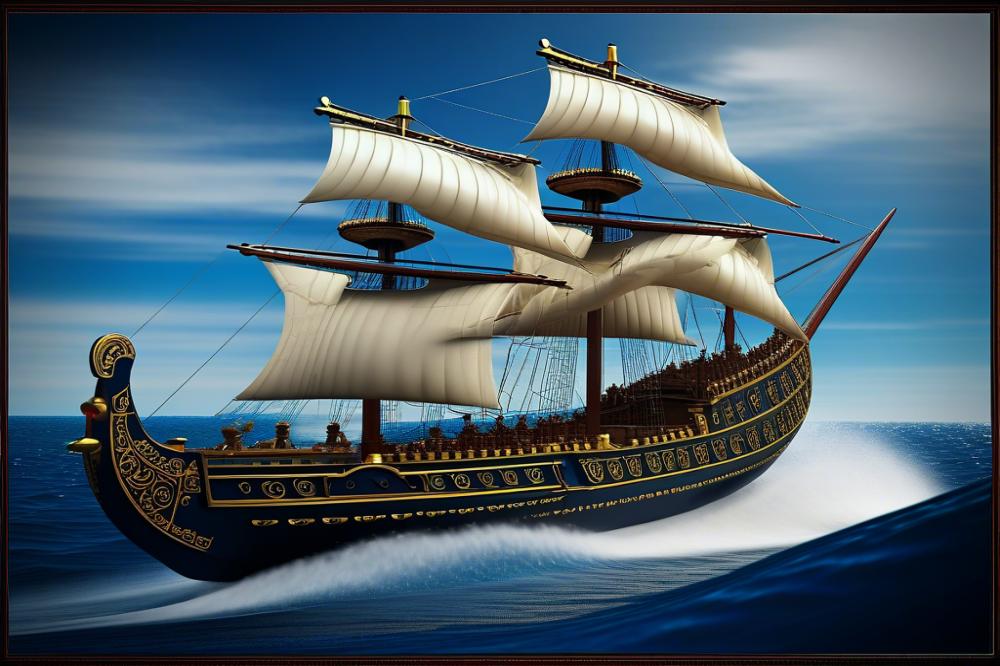
The Roman Navy played a crucial role in shaping the empire’s history. For centuries, Rome expanded its reach across the Mediterranean Sea. This expansion was not just land-based; dominance on the water was equally vital. The navy helped secure trade routes, ensuring the flow of goods. Ships allowed Rome to transport troops swiftly, establishing control over distant territories.
Naval battles were decisive events in many conflicts. Victories at sea often paved the way for land conquests. The tactics employed by Roman commanders emphasized speed and mobility. Shipbuilding techniques evolved, producing vessels suited for various missions. Larger ships could carry more supplies, while smaller ones were nimble for quick strikes.
Warfare during this period was not limited to confrontations on dry land. Mastery over the sea changed how Rome approached its enemies. A robust fleet protected merchant vessels, safeguarding maritime trade. Such strategy reinforced the empire’s economic power and promoted stability. Controlling the Mediterranean strengthened Rome’s position against rival states.
The significance of the Roman Navy extends beyond mere military might. It facilitated cultural exchanges and fostered connections between different regions. Interaction with diverse cultures enriched Roman society. Ultimately, the Maritime Dominance established by the navy was foundational to the empire’s legacy. The achievements of this naval force continue to resonate in discussions of Roman history.
The Formation and Evolution of the Roman Navy
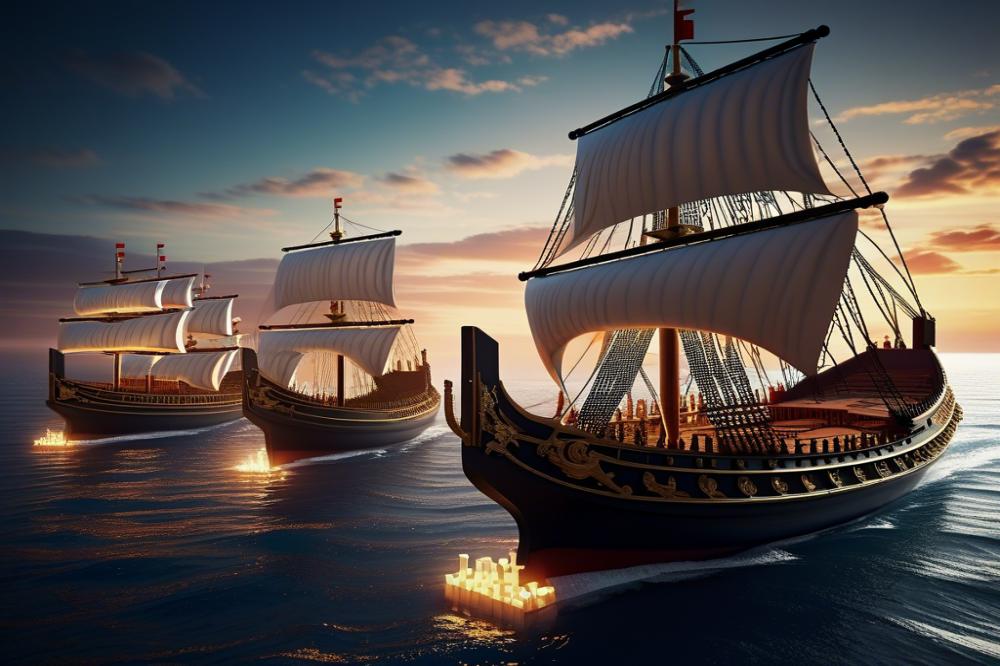
The history of naval development in Rome dates back to its humble beginnings. Initially, the Romans relied on humble fishing boats and small vessels for transportation along the Tiber River. As the empire began to expand, the need for a stronger maritime presence became clear. Wars with neighboring powers highlighted the importance of naval battles. Conflicts against Carthage exposed major flaws in Roman naval capabilities. Embracing the challenges, Rome turned towards building a formal navy.
Shipbuilding techniques during this period underwent significant transformations. Inspired by the designs of the Etruscans and Greeks, Romans perfected their vessels. Innovations like the corvus, a boarding device, greatly influenced naval strategy. This apparatus allowed Roman soldiers to engage enemy crews with ease. Efficiency in ship construction enabled a rapid increase in the size of the fleet. With more ships, Rome could secure vital trade routes across the Mediterranean Sea.
As the empire expanded, maritime trade became crucial. Control over key waters meant more than mere ownership; it provided resources and connections. Strategically, Rome learned from previous naval powers. The techniques and tactics of Greek and Carthaginian fleets shaped Roman warfare. Their experiences influenced Rome’s approach to naval strategy. Every defeat and victory brought lessons that would ultimately strengthen the imperial fleet.
Training and experience of crews played a vital role in the evolution of naval operations. Sailors developed skills that ensured efficiency during battles and trade voyages. Knowledge of the Mediterranean’s currents and winds became invaluable. The increasing complexity of naval warfare demanded well-trained personnel. Focus on shipbuilding and maritime navigation helped the Romans achieve dominance in these waters. The empire’s capacity to assert control over the sea was largely based on these developments.
With each military conquest, the importance of a formidable navy grew. Protection of merchant ships became a priority for the imperial government. The successful defense of trade routes brought wealth and stability to the empire. Over time, naval power became essential for maintaining Rome’s status as a dominant force. The transformation from a fledgling maritime entity to a powerful navy marked a pivotal period in Roman history.
Naval Strategy and Warfare
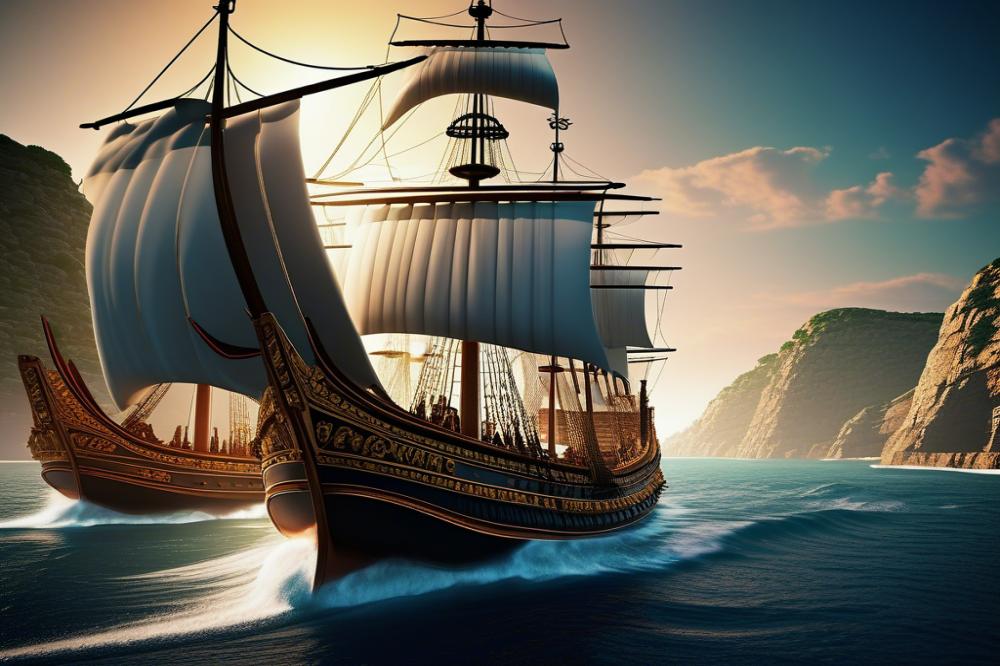
The Roman Navy played a crucial role in the empire’s expansion. Tactics used in naval battles were often innovative for their time. Ships were not just tools for transport; they were weapons of warfare. Roman naval strategy focused on control of key trade routes across the Mediterranean Sea. Effective shipbuilding allowed the Romans to create vessels suited for various missions.
One major tactic was the use of ramming, a technique that aimed to disable enemy ships quickly. The famous trireme ships had a strong hull designed for this purpose. In significant battles, these vessels would form a strong line, engaging the enemy head-on. During conflicts, the navy often worked closely with land forces to execute successful conquests. Joint operations were common, as battles on land and sea needed coordination.
Navigating the Mediterranean Sea was vital for maintaining dominance. Access to maritime trade allowed the Romans to gather resources and foster economic growth. Control over the trade routes equated to military strength. Whenever ports were secured, it boosted their ability to supply troops. Naval power impacted land engagements, as armies expected reinforcements and supplies from sea routes.
Throughout Roman history, naval forces were key players in expanding the empire’s influence. Major campaigns often included a strong naval presence to support advances. Capturing coastal cities was essential; it helped to establish forward bases. These locations allowed for quick strikes inland and also protected shipping lanes.
The empire’s success on water showed the importance of a strong navy. Expansion was limited without control of the seas. Effective maritime trade provided not only goods but also information about movements of other powers. The ability to strike from the sea added pressure on opposing forces, often leading to their downfall. Naval strategy thus was not just about ships and tactics; it was intertwined deeply with the broader goals of warfare and conquest.
Protection and Expansion of Trade Routes
The Roman Navy played a crucial part in securing and expanding maritime trade routes across the Mediterranean Sea. Naval dominance allowed the empire to exert control over important trade networks. Cargo ships filled with goods, including spices, silks, and grain, often made dangerous journeys. Pirates and rival nations posed constant threats to these vessels. Therefore, having a powerful navy was essential for protecting merchants and their shipments.
Warfare was common around the Mediterranean, leading to numerous naval battles. Each conflict shaped the control over vital sea routes. Key ports became hubs of activity, bustling with traders. As the empire expanded, new territories provided access to additional resources. This expansion was not merely about territory. It also involved establishing safe passages for ships, which meant more successful trade deals.
Shipbuilding advancements helped the Romans create faster and more durable vessels. These innovations boosted their influence over the sea. Investing in superior naval strategy allowed them to respond swiftly to threats. Control of the Mediterranean Sea ensured a steady flow of wealth. Trade became the backbone of the empire’s economy.
Roman history highlights the significant interaction between naval power and commerce. Protecting trade routes led to increased prosperity for the empire. As merchants felt safer, trade flourished. Goods circulated widely, connecting provinces to the heart of Rome. Without the naval force, it is likely that many cities would have suffered from economic decline.
The conquest of key maritime locations further solidified dominance. Cohesion in trade routes made it easier for armies and resources to move across the sea. This military efficiency became a hallmark of the empire’s strength. Overall, the integration of naval power into everyday commercial life was vital for Rome’s long-lasting success.
Naval Battles that Shaped the Empire
Throughout Roman history, naval battles proved crucial in expanding the empire’s reach. The Battle of Mylae in 260 BCE stands out as a turning point. This clash took place during the First Punic War against Carthage. A well-executed naval strategy led the Romans to a significant victory. Their triumph enabled them to dominate the Western Mediterranean. Control over these waters was vital for trade routes and military movement.
Shipbuilding played a key role in this success. Romans improved their vessels, adapting designs to maximize efficiency. The new ships were swift and sturdy, making them formidable in battle. They conducted maritime trade along the Mediterranean Sea, boosting Rome’s economy. Securing sea lanes enhanced the empire’s power, providing resources and wealth necessary for further conquest.
The later Battle of Actium in 31 BCE marked another decisive moment. This famous encounter saw Octavian’s forces face Mark Antony and Cleopatra’s fleet. Naval warfare was intense and complex. Octavian’s strategy was cunning, utilizing smaller, faster ships. The outcome shifted the balance of power in Rome. With victory secured, Octavian solidified control over the empire, paving the way for the Roman Empire’s golden age.
Both battles illustrate the importance of naval engagements in Roman expansion efforts. Mylae laid the foundation for future Maritime Dominance. Actium demonstrated the culmination of naval might within political power struggles. These victories directly impacted Rome’s ability to protect its trade routes and maintain a strong presence in the Mediterranean. Naval engagements not only shaped military strategies but also facilitated the growth of the empire’s wealth and influence.
Challenges and Decline of the Roman Navy
The decline of Rome’s naval power stemmed from several complex factors. Internal strife created significant instability within the empire. Political turmoil often distracted leadership from focusing on maritime matters. Power struggles consumed resources that could have bolstered shipbuilding and naval strategy.
Resource allocation was another area of concern. The empire’s vast territories demanded attention from both land and sea. As land conquests became a priority, fleets and naval defenses received less funding. This shift weakened the ability to manage trade routes effectively across the Mediterranean Sea.
External threats also played a crucial role. Waves of invasions from various tribes challenged Roman dominance. These challenges often required immediate military response on land, pushing naval operations to the background. Naval battles became less frequent, diminishing training and experience for sailors.
As maritime trade increased, the empire’s reliance on naval power grew. Control over trade routes brought wealth but also vulnerability. Pirates and rival factions exploited weakened security, further diminishing the navy’s capability. Trade disruptions severely impacted the economy, causing unrest and further strife.
Throughout Roman history, the shift in focus from naval strength to land warfare became evident. The once-mighty fleets, essential for ensuring conquest, found themselves outmatched. With resources stretched thin, the ability to engage in effective maritime warfare withered away.
By the later years of the empire, challenges in shipbuilding and staffing became completely apparent. A decline in skilled labor affected the quality of ships and crews. Without a robust navy, protecting the empire’s interests in the waters they previously dominated became nearly impossible.
As threats multiplied, the gap between naval needs and capabilities widened. The inability to adapt to new types of warfare weakened the empire’s stature on the international stage. This combination of internal and external pressures ultimately led to a significant decline in the effectiveness of Roman maritime power.
Final Thoughts on Maritime Influence
The Roman Navy played a critical role in the growth of the empire’s maritime dominance. Its strategic use of ships allowed for the efficient transport of troops and goods. With a strong maritime presence, Rome could control trade routes across the Mediterranean. By doing so, the empire enabled robust economic exchanges that strengthened its resources and reach.
Naval battles marked significant turning points in many regions. These confrontations not only showcased the military prowess of Rome but also discouraged piracy and rival powers. A strong fleet protected merchant ships, which were vital for trade. As a result, the empire’s economic stability and military security were deeply intertwined.
Reflecting on the legacy of the naval forces, one sees a lasting impact on both military strategy and commerce. The practices developed during this time set the foundation for maritime laws and trade customs that continue to influence modern shipping and naval operations. Lessons learned during this era shaped future campaigns and strategies for subsequent empires.
Ultimately, the contributions of this maritime force were significant in facilitating empire expansion. From conquering new territories to securing trade routes, its influence is undeniable. The legacy endures, reminding us of a time when naval power dictated the fortunes of nations.

