
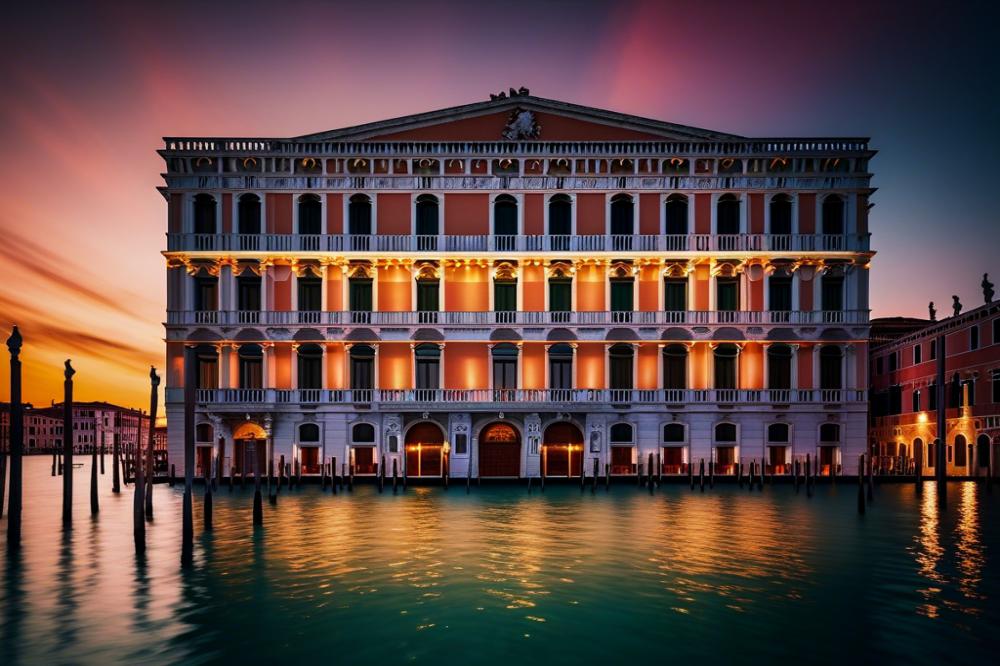
Teatro La Fenice: The Resilient Heart Of Venice’s Opera Scene
Teatro La Fenice: The Resilient Heart Of Venice’s Opera Scene Read More »

Italian architecture stands as a testament to centuries of artistic and cultural evolution, seamlessly blending historical influences with contemporary design. From the iconic Colosseum in Rome to the intricate details of Florence’s Renaissance structures, Italian architecture reflects a rich tapestry of creativity and craftsmanship. Characterized by grandiosity and elegance, Italian buildings often boast intricate facades, harmonious proportions, and a perfect amalgamation of form and function. Noteworthy examples include the majestic Duomo di Milano, with its intricate Gothic spires, and the timeless beauty of Venice’s Grand Canal palaces. The architecture of Italy has not only shaped the country’s identity but has also significantly influenced global design trends. It serves as a perpetual source of inspiration for architects worldwide, a testament to Italy’s enduring impact on the world of aesthetics and construction.


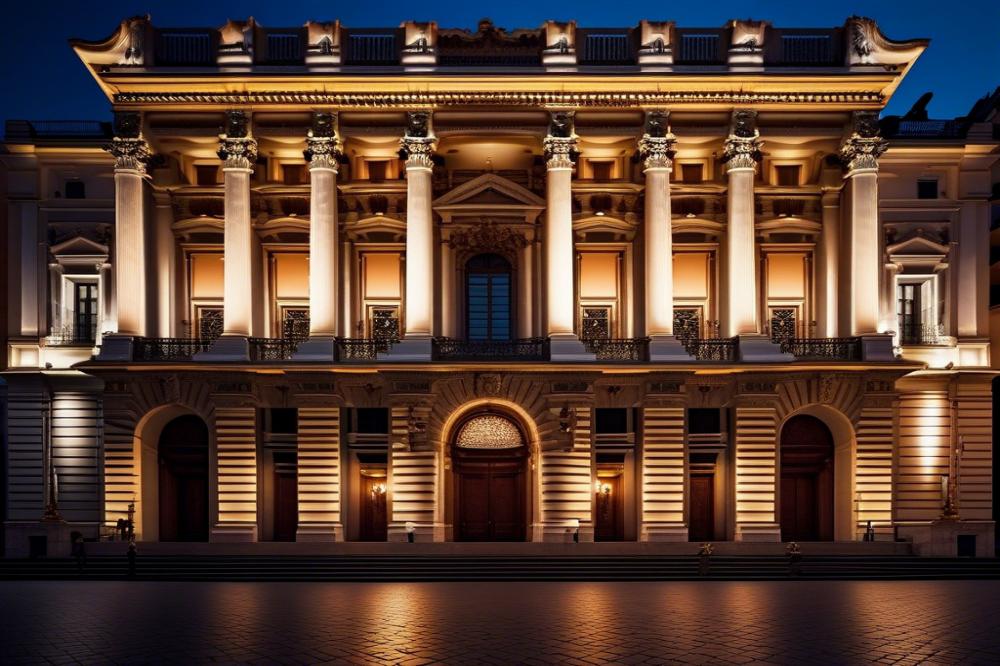
The Historic Charm of Teatro di San Carlo in Naples The Teatro di San Carlo stands as a remarkable beacon among Italy’s most renowned opera houses. This historic theater has become synonymous with the rich tradition of Italian opera. Established in 1737, it boasts a legacy that intertwines with the very essence of performance arts.
Discover The Historic Charm Of Teatro Di San Carlo: Naples’ Iconic Opera House Read More »
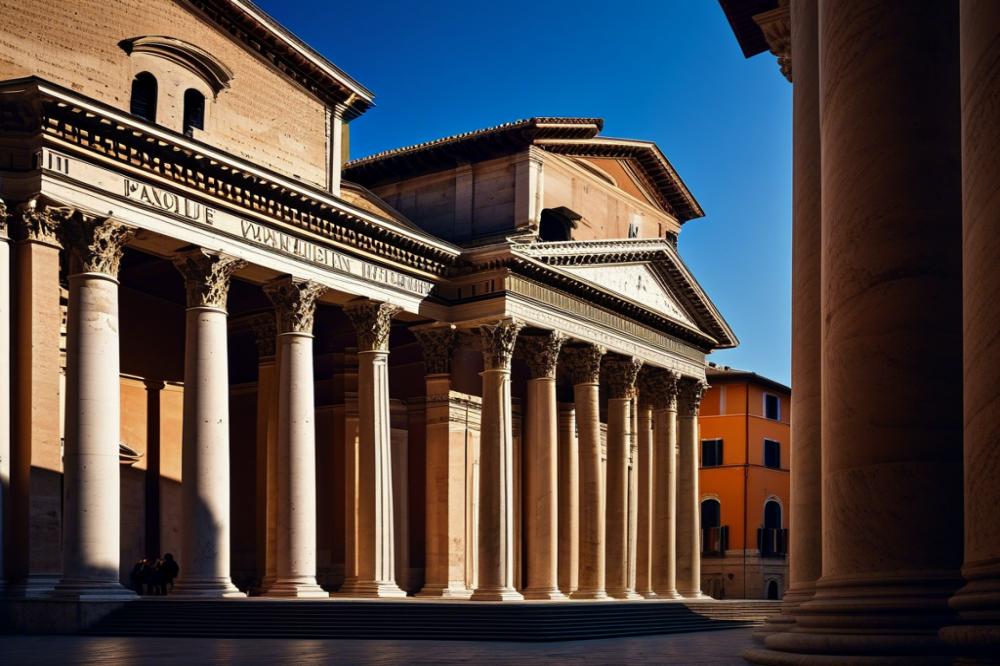
Exploring Italy’s Best-Preserved Roman Temples: From Rome to Sicily The Roman Empire left a lasting mark on architecture that is still visible today. Its influence shaped cities, buildings, and even entire landscapes across Europe. The temples constructed during this period are not merely stone structures; they represent the cultural heartbeat of ancient society. Each monument
Discover Italy’s Best-Preserved Roman Temples: A Journey From Rome To Sicily Read More »
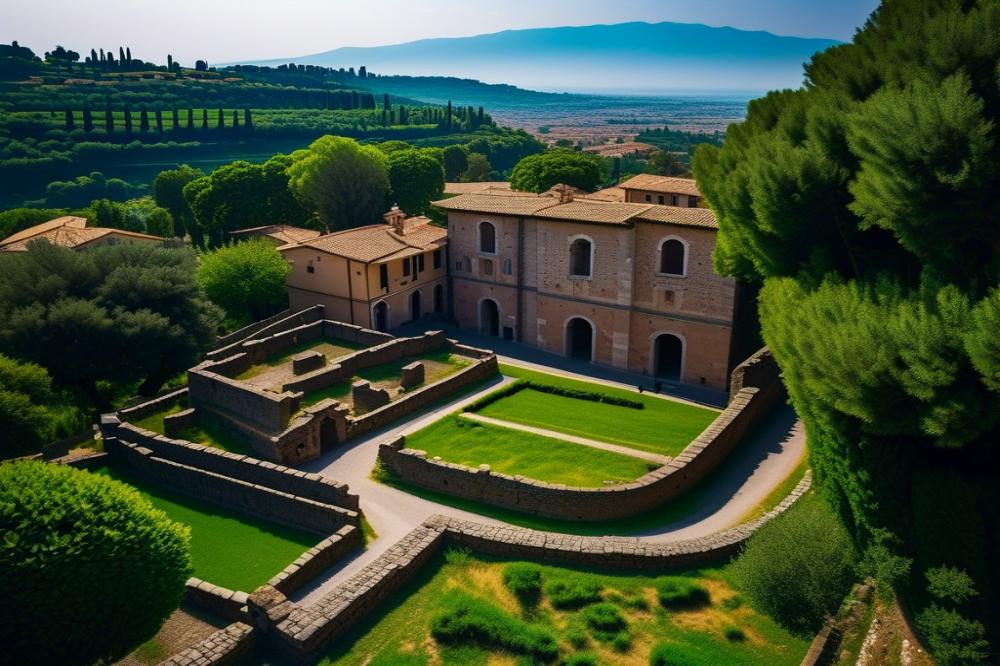
The Remarkable Roman Roads of Italy: Tracing the Empire’s Highways The ancient infrastructure of the Roman Empire played an essential role in shaping the society that thrived during its reign. Key to this was a vast network of travel routes that facilitated military logistics, trade, and communication across expansive territories. With well-constructed roads, armies moved

Introduction The aqueducts of Ancient Rome stand as remarkable examples of engineering marvels and architectural innovations. These structures played a vital role in the water supply across the bustling cities of the empire. Without a reliable source of water, urban life would have faced enormous challenges. The availability of fresh water directly influenced public health,
Exploring The Aqueducts Of Ancient Rome: Italy’s Marvels Of Water Engineering Read More »
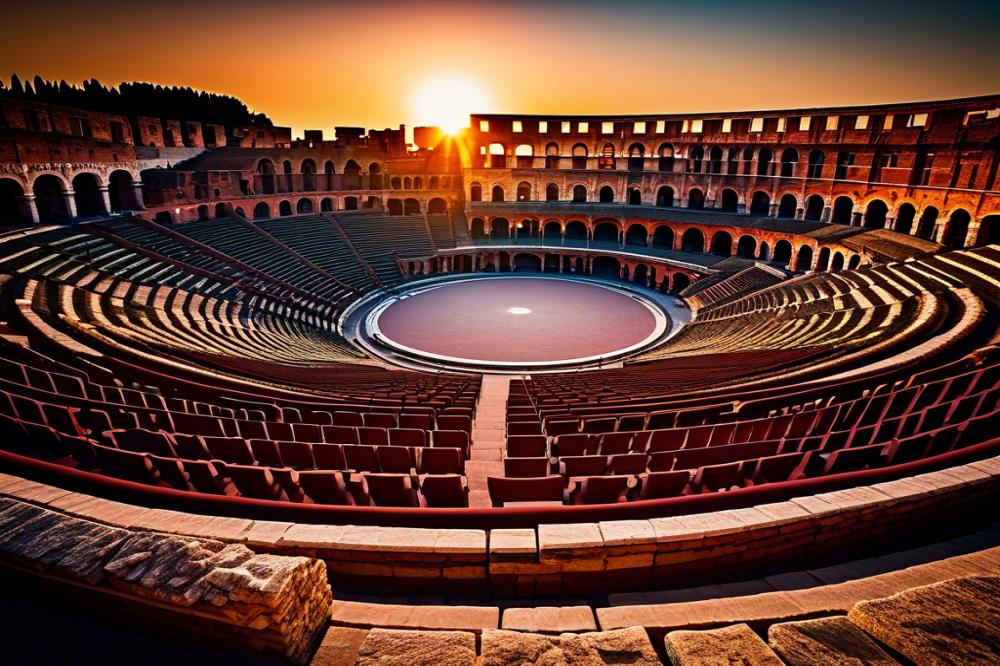
Introduction Italy is home to some of the most remarkable archaeological sites in the world. Among them are the Roman theatres that showcase the genius of ancient architecture. These structures are not just venues for entertainment; they hold stories of a civilization that valued culture and artistic expression. Each theatre tells a tale that connects
Exploring Italy’s Spectacular Roman Theatres: A Journey From Verona To Ostia Antica Read More »
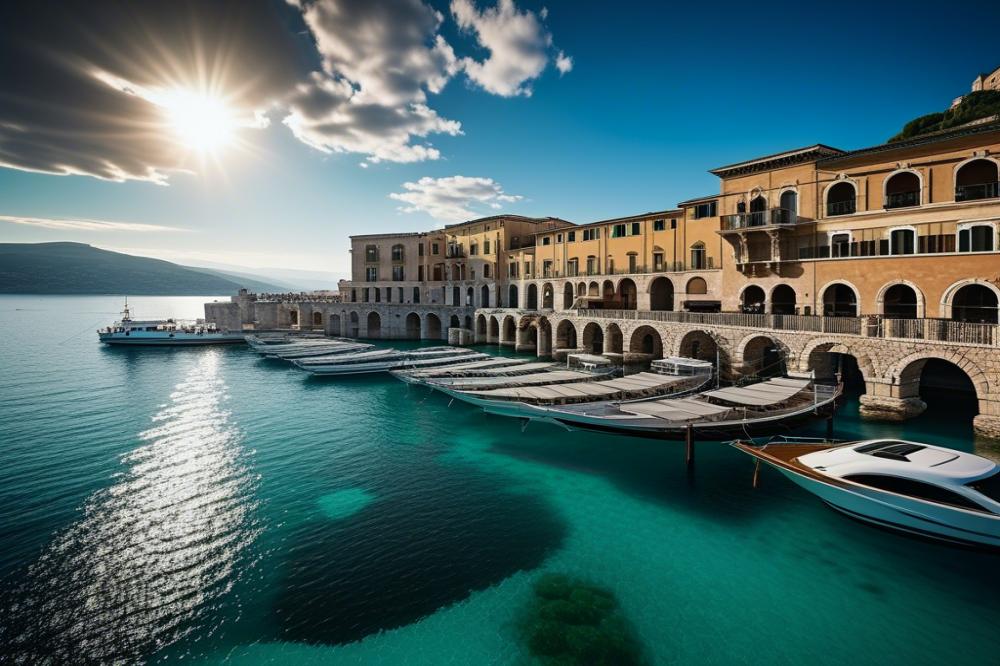
Overview of Ancient Roman Ports Roman Ports served as crucial maritime gateways that supported the vast reach of the Roman Empire. These coastal cities played a pivotal role in facilitating trade across the Mediterranean Sea. As a result, the development of port infrastructure enabled efficient transport routes that connected various regions. This extensive network was
Exploring Italy’s Ancient Roman Ports: Key Maritime Gateways That Shaped An Empire Read More »
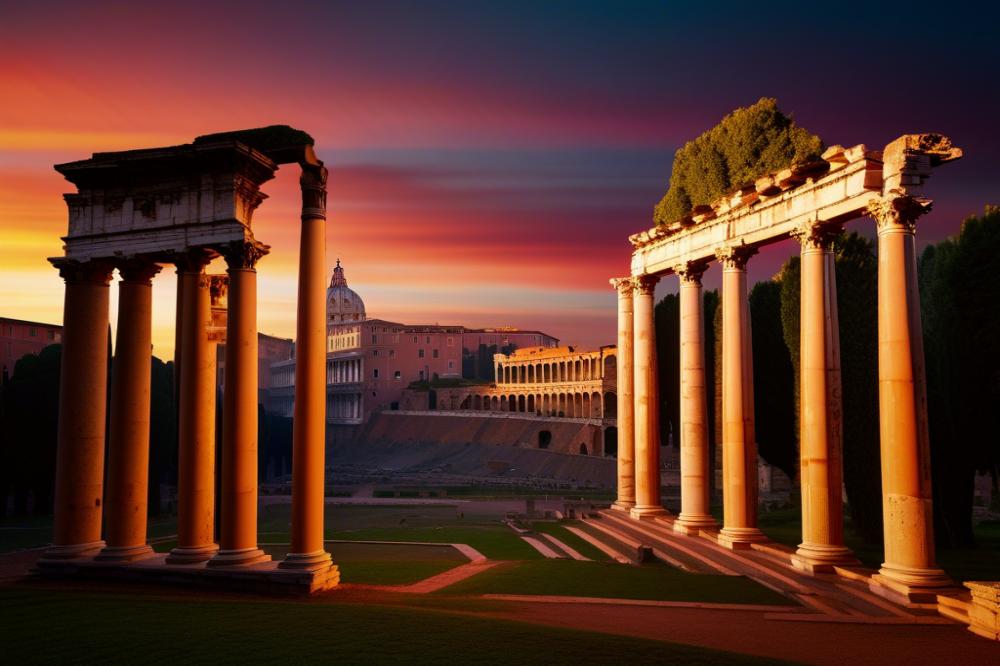
Introduction Rome is home to many of the most impressive architectural wonders in the world. Among these are the powerful and majestic Imperial Palaces, which tell us much about the might and sophistication of the Roman Empire. Nestled on the Palatine Hill, these grand structures were not only residences for emperors but also symbols of
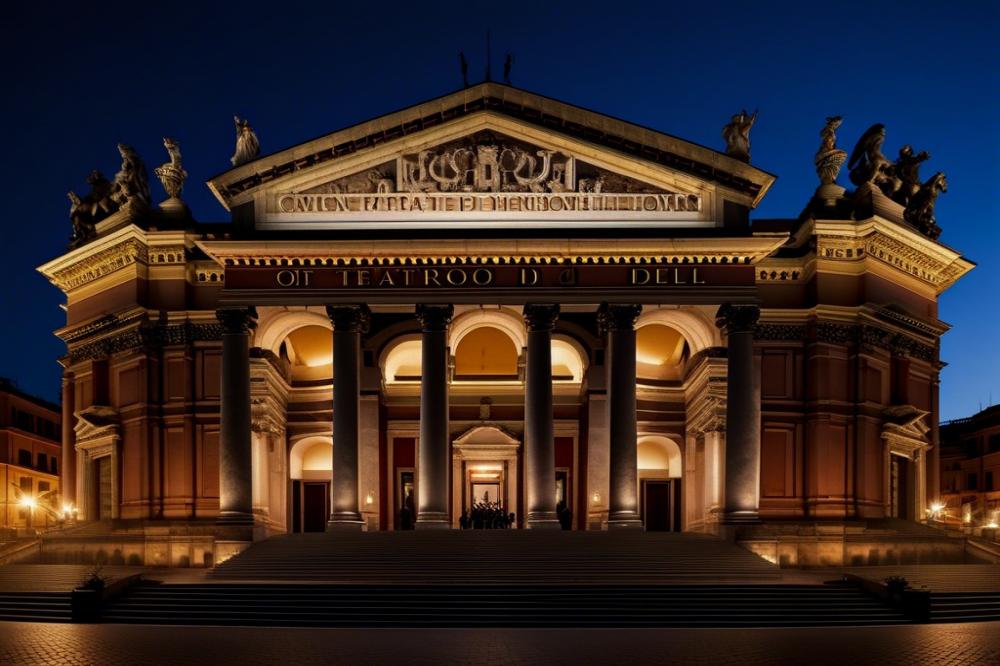
Teatro dell’Opera di Roma: The Heart of Roman Opera The Teatro dell’Opera di Roma stands as a monumental symbol within Italy’s rich landscape of opera houses. This venue is more than just a place to enjoy a performance; it embodies the very essence of the nation’s artistic history. Located in the bustling city of Rome,
Discover The Teatro Dell’opera Di Roma: The Heart And Soul Of Roman Opera Read More »
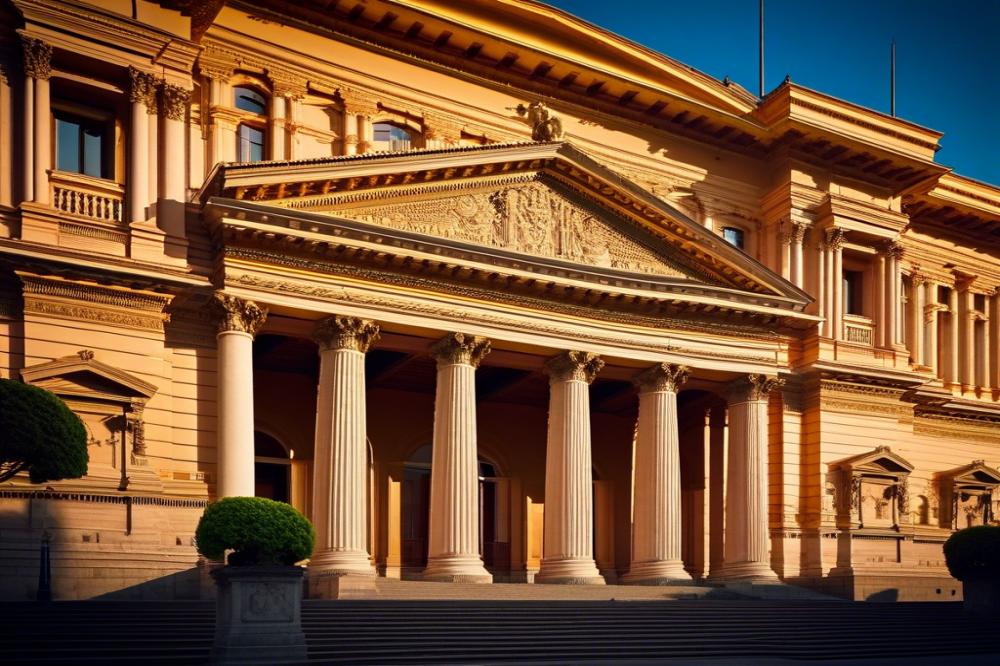
Introduction Italian opera houses hold a significant place in the nation’s cultural landscape. They are not merely venues for music and performance; they embody the spirit of artistic expression and community pride. These historic buildings often showcase stunning architecture. Many houses have become essential parts of local heritage, enriching tourism and entertainment. In Palermo, Sicily,